
Synopsis
Late 19th century Paris, at the prestigious Opera House. It is a place where singers from across Europe dream of performing on its grand stage. Yet, a terrifying rumor persists—a phantom haunts the opera house.
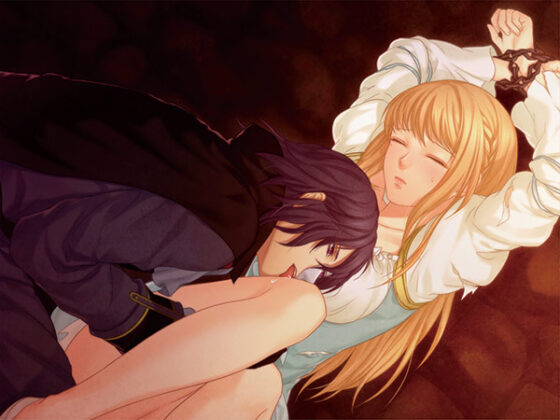
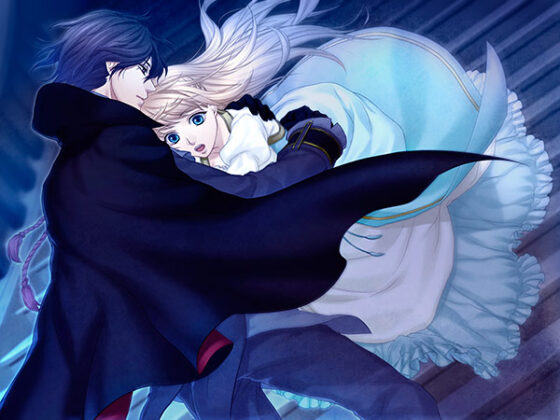
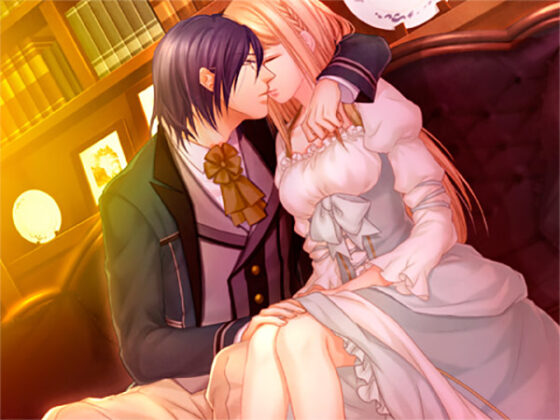
Christine, a singer at the Opera House troubled by her lack of progress, hears a beautiful voice calling to her from nowhere. Drawn by that enchanting voice, Christine begins taking singing lessons, but what unfolds is a decadent love feast where she becomes entangled and seduced by the twisted romantic machinations of five enigmatic men who gather at the opera house.
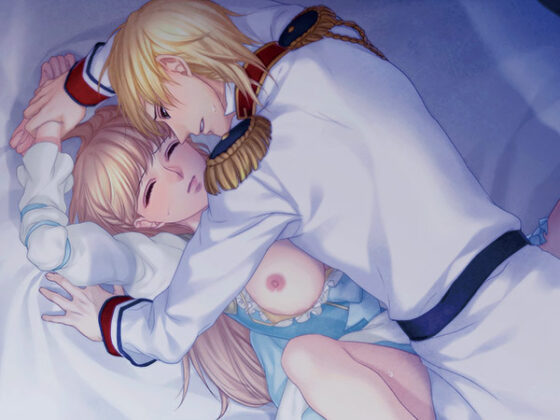
Their fates intertwine as a poignant story takes shape. One man descends into obsessive madness through excessive devotion. Another becomes enslaved to pleasure and control, unable to suppress his hidden desires. Yet another falls into forbidden passion, corrupted by love’s illusions.
“I will never let you belong to anyone else…” A voice echoes in her mind—

Editorial Review
PersonA recasts the Phantom of the Opera archetype as a contemporary dark otome, positioning itself within the growing subgenre of psychological romance games that prioritize narrative complexity and morally ambiguous characters over traditional wish-fulfillment fantasy. Late 19th-century Paris provides elegant visual scaffolding, but this work distinguishes itself through its explicit engagement with obsession, manipulation, and the erosion of agency—themes that feel increasingly central to mature otome design.
The love triangle tag undersells what’s clearly a five-way dynamic exploring competing forms of masculine desire: obsessive devotion, sadomasochistic control, romantic delusion, and unnamed fifth variations. This multiplicity sidesteps the binary reductionism of traditional romance choices. Christine functions less as a self-insert heroine and more as a contested object whose “seduction” by these men carries genuinely unsettling psychological weight. The phrase “decadent love feast” signals narrative ambition beyond conventional branching paths—this is thematic immersion in corruption, not just route variation.
The psychological tag paired with dark theme suggests the work interrogates why Christine remains drawn to these men despite (or because of) their toxicity. This tonal complexity—romance that doesn’t sanitize its own predatory structures—appeals to players fatigued by sanitized otome offerings, though it demands readers comfortable with ambiguity rather than catharsis.
Production quality remains unclear from the synopsis alone, but the DL exclusive status and historical setting indicate production investment typical of mid-to-upper-tier doujin visual novels. The atmospheric setup (phantom’s voice, opera house intrigue) promises environmental storytelling beyond dialogue trees.
PersonA targets players seeking psychological sophistication in their romance narratives—those drawn to works like Nameless or Sable’s Grimoire that weaponize intimacy itself as thematic material. This isn’t comfort fiction; it’s architectural seduction.
A genuinely unsettling exploration of how love becomes a cage.
This Week’s Top Rankings:
Related Tags:
romance | DL exclusive | psychological | love triangle | otome game
📖 How to buy on DLsite — step-by-step guide
💳 Payment methods for overseas buyers (Visa/MC declined?)
Interested? Get the free trial here ↓
![Autumn Hot Spring Inn Secrets [Android]](https://henhenta.com/wp-content/uploads/2026/10/RJ01739664-300x225.jpg)
![[Smartphone Version] Elf’s Hole [Hurricane.com]](https://henhenta.com/wp-content/uploads/2026/10/RJ01690744-300x225.jpg)
![Patron Police [Smartphone Version]](https://henhenta.com/wp-content/uploads/2026/10/RJ01693588-300x225.jpg)
![Squeeze★Extraction Nightmare! [Mushaborareru Kibou]](https://henhenta.com/wp-content/uploads/2026/10/RJ01722380-300x225.jpg)
![Tower of Aldia [Smartphone Version]](https://henhenta.com/wp-content/uploads/2026/10/RJ01263861-300x225.jpg)
![Kingdom Knight Dad [Smartphone Version] | DLsite](https://henhenta.com/wp-content/uploads/2026/10/RJ01493524-300x225.jpg)