Synopsis
Genius, talent, and ordinary. Weak god and strong god.
A story beyond happiness itself.
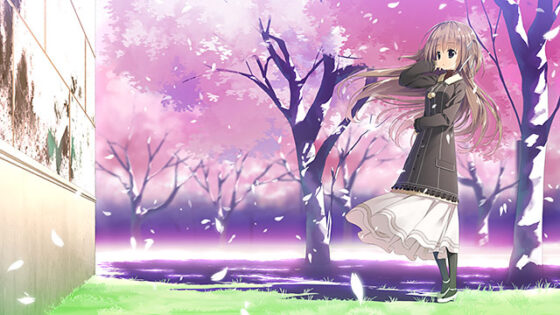
This is the second act of the sakura’s tale.
A genius chosen by god, a talented one forsaken by god, an ordinary person who defies god.
What is the charisma dwelling in beauty? Why is its fruit granted only to the chosen?
“Where do we come from? What are we? Where are we going?”
A world where the light of causal exchange is bound together.
Can artists answer these questions through beauty?
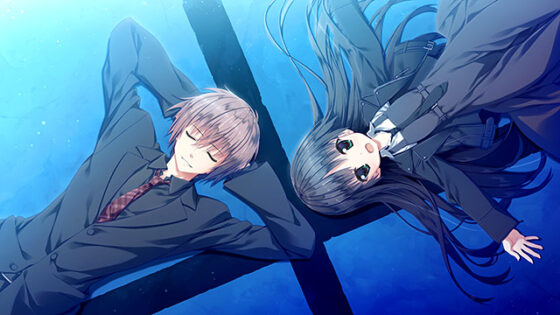
A continuation centered on Naoya Kusanagi from Sakura no Uta.
From that slope, the final landscape as Naoya and Ai descended while gazing at Yumiharicho.
There were countless untold stories leading to that moment.
Two geniuses.
The true story of Kei Natsume and Naoya Kusanagi.
Why do they continue to fascinate people as artists, even after death or abandoning their craft?
Miya Sakura Rin—a painter who is the very embodiment of beauty.
Why does she seek to move forward past where they stopped?
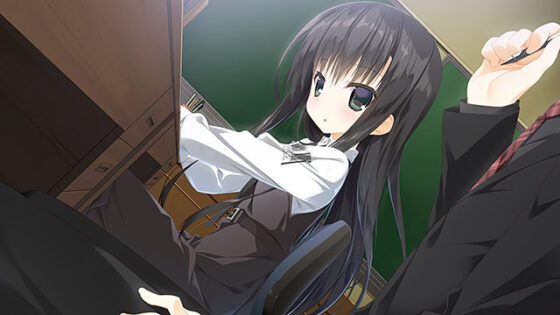
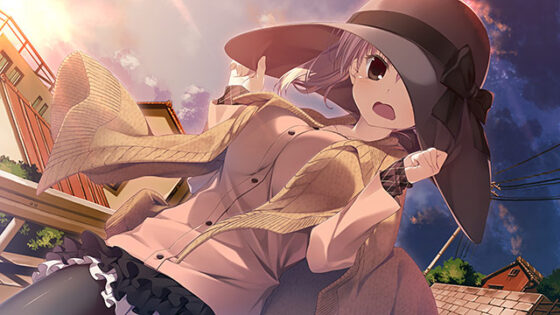
What of Rina Hikawa? Yumi Kawanoueno? Makoto Toriya? And what of Ai Natsume?
The desires of all these people intersect.

Editorial Review
Sakura no Koku positions itself as philosophical romance deeply entrenched in the prestige visual novel tradition—the kind of work that treats aesthetic and existential questions with the same weight as character intimacy. It’s unmistakably a sequel premise (continuing from Sakura no Uta), but the synopsis suggests it functions as thematic expansion rather than direct continuation, exploring how artistic genius and personal connection intersect across generations.
The work’s distinctive appeal lies in its conceptual ambition: framing romance and character development within explicit metaphysical inquiry. Rather than using philosophy as window dressing, the questions posed—about beauty’s origins, artistic legacy, and spiritual destiny—appear structurally central to understanding why these characters matter. The roster is deliberately constructed around hierarchy (genius chosen by god, talent forsaken by god, ordinary defiant) which suggests the narrative actively interrogates whether romantic or artistic fulfillment depends on supernatural designation. Miya Sakura Rin’s status as “the very embodiment of beauty” and the repeated focus on posthumous fascination hints at a work wrestling with whether love and art survive their creators’ disappearance or abandonment.
The exceptional tags—”Great Art,” “Great Characters,” “Great Scenario” appearing together—signal production confidence in visual presentation, voice acting, and narrative coherence. The atmospheric classification suggests mood prioritizes psychological complexity over straightforward emotional beats.
This appeals directly to readers who want their romance contextualized within larger existential frameworks, who value aesthetic presentation as narrative substance, and who’ve engaged with the predecessor work or similar prestige VN lineage (Muv-Luv Alternative, Ever17 territory). Casual romance enthusiasts seeking primarily intimate scenes should look elsewhere; this is fundamentally about why artistic and romantic souls continue to haunt the living.
For philosophy-forward VN readers craving ambitious character work backed by production polish: essential.
This Week’s Top Rankings:
Related Tags:
visual novel | romance | school | ADV | Great Characters
📖 How to buy on DLsite — step-by-step guide
💳 Payment methods for overseas buyers (Visa/MC declined?)
Interested? Get the free trial here ↓