Synopsis
★ Sakura no Koku now comes with special bonuses! ★
■ BONUS CONTENTS ■
• Original novel booklet “The Frozen July Sky”
• Full-color special booklet
• Monochrome booklet
• OP Full Arrange CD
• Original drama CD “Rena, Shizuku, and Lips”
※All bonuses are digital data
━━・‥…━━・‥…━━・‥…━━・‥…━━・‥…
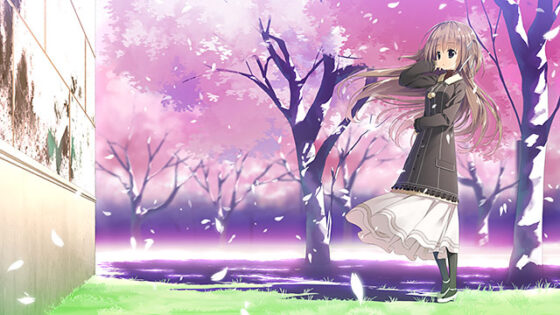
A genius chosen by God, a talented soul abandoned by God, an ordinary person who defies God. What is the Charisma dwelling in beauty? Why is its fruit only given to the chosen?
“Where did we come from? What are we? Where are we going?”
In a world bound by the light of causal exchange, can artists answer these questions through beauty? This is the story centered on Naoya Kusanagi, continuing after Sakura no Shi. From that slope, where Naoya and Ai watched over the town of Yumiharii as they descended—there lay many untold stories before that final moment.
The true story of two geniuses: Kei Natsume and Naoya Kusanagi. Why do they continue to captivate people as artists, even after death or abandoning their craft? Ren Mikura, a painter who is the very embodiment of beauty—why does she seek to move forward past where they stopped? What of Rina Hikawa? Yumi Kawanchi? Makoto Toriya? And Ai Natsume?
All human desires intersect in this tale.




Editorial Review
Sakura no Koku positions itself as a philosophical character drama wrapped in supernatural packaging—a rare beast in the visual novel space that prioritizes existential inquiry over plot mechanics. This is a sequel or companion piece that assumes familiarity with prior installments, trading conventional narrative momentum for introspective exploration of artistic genius, divine favor, and mortality. The work occupies the intersection of supernatural romance and psychological character study, territory dominated by works that typically lean harder into either romantic payoff or metaphysical mystery. Here, both seem subordinate to interrogating why beauty matters and who deserves to wield it.
The artistic and character-driven tags are doing heavy lifting. The synopsis gestures toward thematic depth—the repeated rhetorical questions about origin and purpose, the conceptual framework of “causal exchange,” the examination of charisma as a force separate from individual merit. The bonus edition compounds this with a drama CD and supplementary novel content, suggesting the developers view this as a text requiring multiple entry points and extended engagement. This multi-media approach is less common in doujin works and signals confidence in thematic resonance over immediate accessibility.
The core triangle—a chosen genius, an abandoned talent, an ordinary defier—suggests the work interrogates meritocracy and divine selection through character dynamics rather than plot spectacle. The psychology and supernatural tags imply internal conflict and metaphysical stakes rather than external action.
This work demands readers invested in philosophical romance and character psychology over straightforward romantic or narrative satisfaction. It’s designed for audiences who finished the prior installment and want deeper excavation of secondary characters’ interiority, particularly Natsume and Kusanagi’s artistic legacies.
A meditative character study that rewards patience and philosophical engagement far more than it rewards plot-driven consumption.
This Week’s Top Rankings:
Related Tags:
visual novel | romance | drama | school setting | supernatural
📖 How to buy on DLsite — step-by-step guide
💳 Payment methods for overseas buyers (Visa/MC declined?)
Interested? Get the free trial here ↓