
Synopsis
■Story
──A hopeless me, and an empty you.
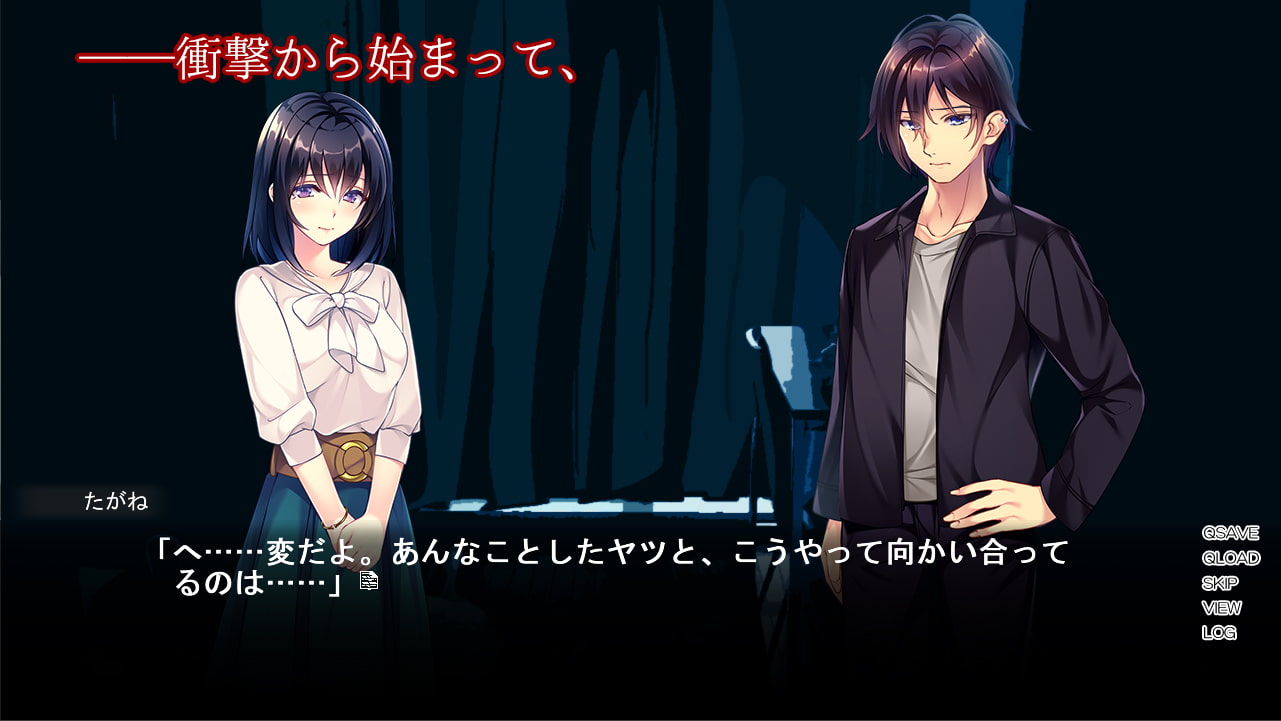
Mikura Tagane works as an unsuccessful call girl living alone. One evening, stepping onto her apartment balcony after work, she witnesses a couple having sex on the opposite building’s balcony. When their eyes meet, she panics and retreats inside, closing the curtains. Minutes later, the doorbell rings.
With a bad feeling, she answers the door to find the same man. He forces his way inside and assaults her. To make matters worse, he ransacks her refrigerator and sleeps soundly in her bed as if he owns the place. Too afraid to contact the police—terrified her parents might find out—Tagane collapses from exhaustion and falls asleep.
That day marks the beginning of an strange relationship between the man and Tagane…
■Overview
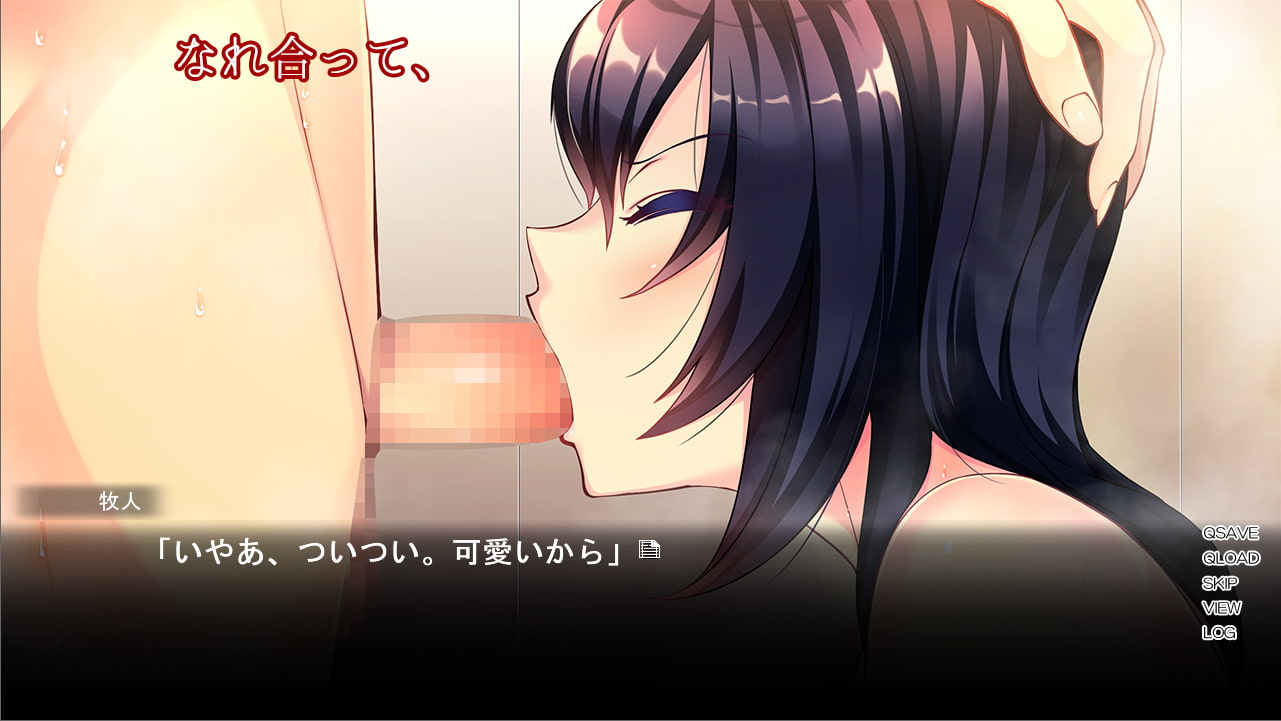
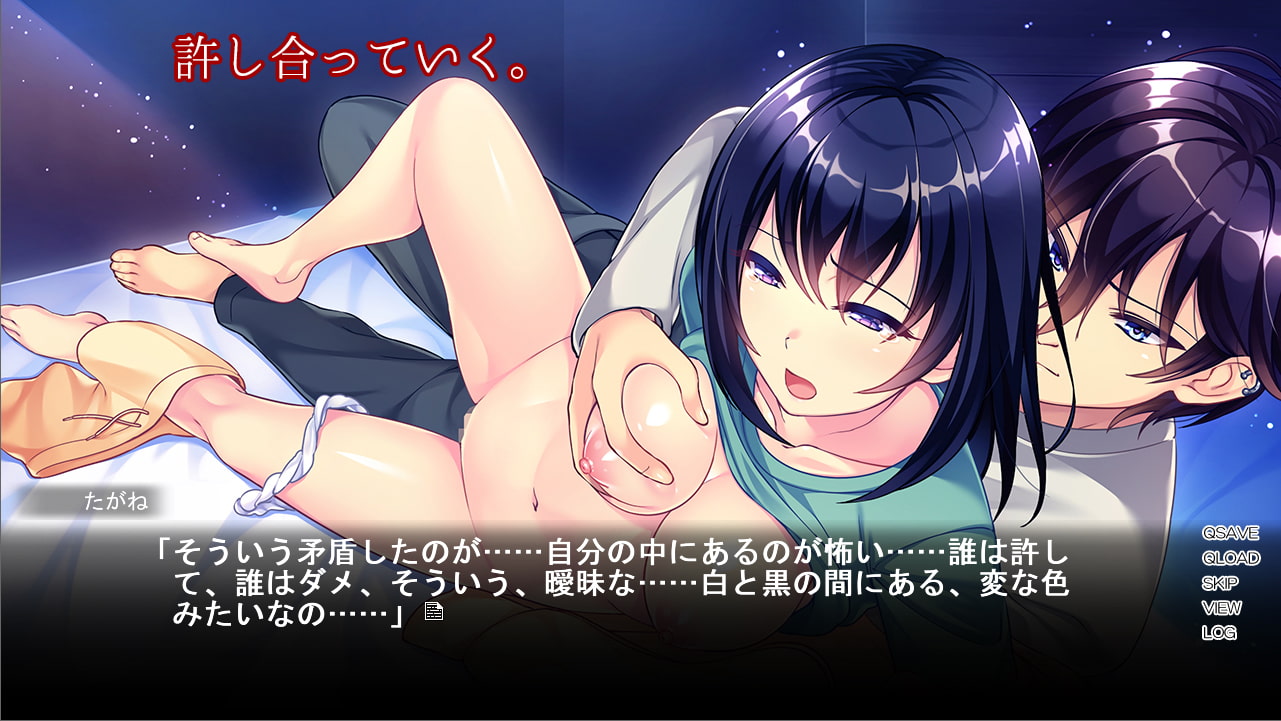
“Tomo Nari no Fune” is a traditional visual novel that progresses through reading. It depicts how Tagane and Makito, who meet under the worst circumstances, come to forgive each other and move forward together.
Recommended for those who enjoy themes of loneliness felt in crowds, couples becoming precious through hurt, and somewhat niche sexual content.
■Specifications
Playtime: 3-4 hours
CG: 15 images (including variations)
Scenes: 10
Voice: Full voice acting for main characters (toggleable)
Features: CG gallery, memory mode, music player


Editorial Review
Tomo Nari no Fune occupies an uncomfortable but persistent niche within the adult visual novel landscape: the cohabitation rape-to-romance narrative, where sexual violence becomes the catalyst for emotional intimacy. This subgenre has cyclical popularity among domestic audiences, though it remains deeply divisive in Western circles.
What distinguishes this work is its explicit framing of trauma as the entry point to character development. Rather than obscuring the assault as plot convenience, the synopsis emphasizes the man’s violation as genuinely criminal—forced entry, ransacking, uninvited domestication—before pivoting toward reconciliation. This creates a stark tonal dissonance that some will read as thoughtful exploration of forgiveness under duress, others as narrative justification for abuse. The inclusion of “verbal humiliation” and “sexual abuse” alongside “pure love” suggests the work leans into psychological complexity rather than quick fantasy resolution, though whether that complexity emerges convincingly depends entirely on execution.
The cohabitation framework is economical storytelling: two strangers trapped in proximity, their power dynamics visibly imbalanced from the outset. The tag combination of voyeurism (their initial meeting) feeding into forced cohabitation creates a claustrophobic pressure cooker. Whether “pure love” emerges organically or feels imposed will determine the work’s emotional credibility.
This is explicitly designed for readers with specific trauma-narrative appetites—those who find genuine erotic or romantic tension in power reversals born from violation, and who trust the narrative to justify that pivot. Audiences seeking straightforward romance, consent-forward dynamics, or lighthearted cohabitation narratives should look elsewhere entirely.
If you engage deliberately with works exploring how people rationalize or recover from sexual violence, Tomo Nari no Fune offers that conversation with apparent seriousness rather than exploitation gloss. It’s not a work to stumble into casually.
Get “Tomo Nari no Fune” on DLsite
This Week’s Top Rankings:
Related Tags:
Creampie | rape | voyeurism | Pure Love | Cohabitation
📖 How to buy on DLsite — step-by-step guide
💳 Payment methods for overseas buyers (Visa/MC declined?)
Interested? Get the free trial here ↓


![Thanatos -Smartphone Version- [triangle!]](https://henhenta.com/wp-content/uploads/2026/10/RJ01690733-300x225.jpg)
![【Smartphone】Troimerai to Hand-Folded Flowers [+Crab]](https://henhenta.com/wp-content/uploads/2026/10/RJ01690731-300x225.jpg)
![[Smartphone Version] Biotechnurse [Tenkatsu]](https://henhenta.com/wp-content/uploads/2026/10/RJ01610337-300x225.jpg)