Synopsis
In 2050, the surface world is dying. An unnamed builder constructs an ark beneath the earth, promising eternal life to those who enter.
Read more
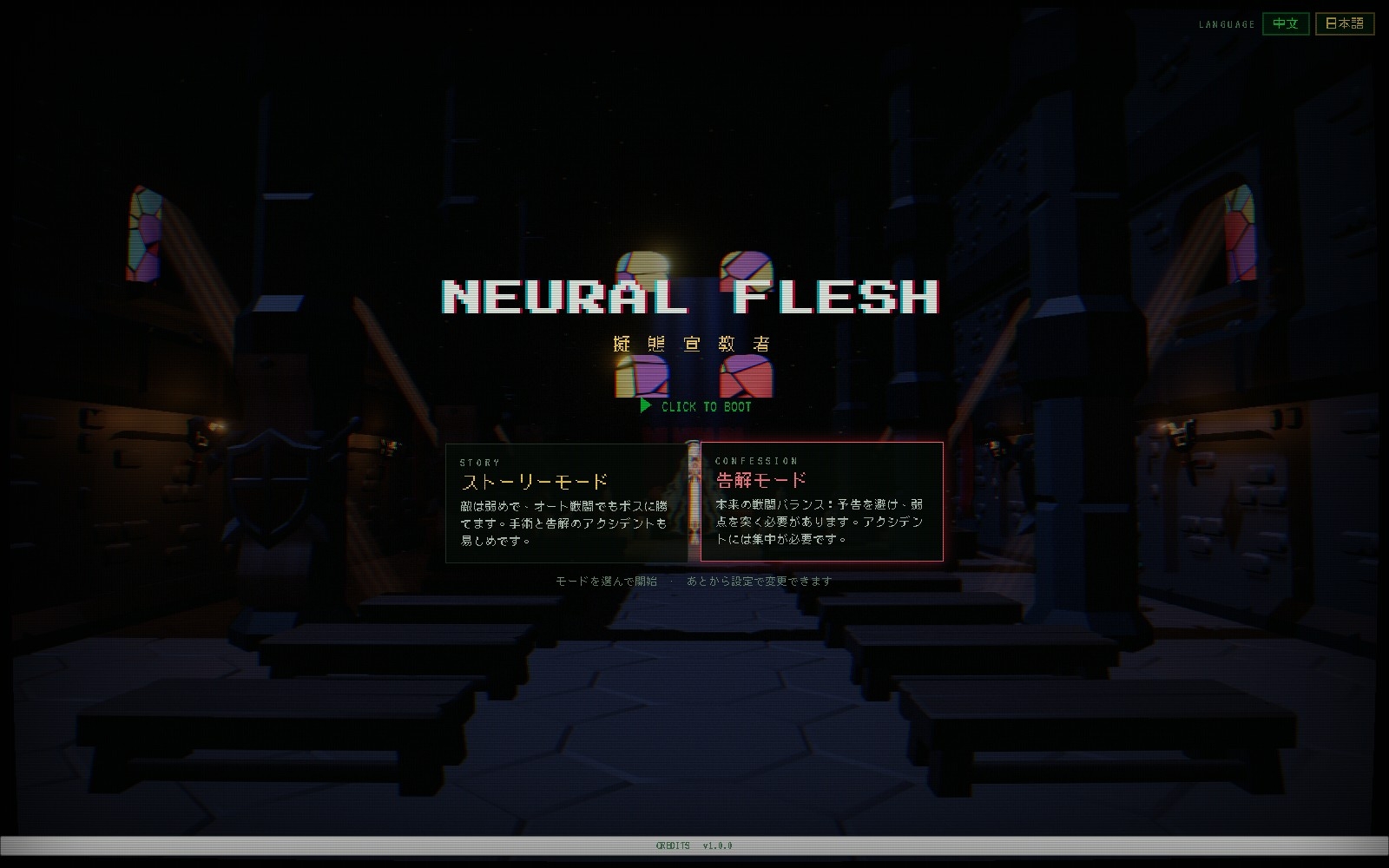
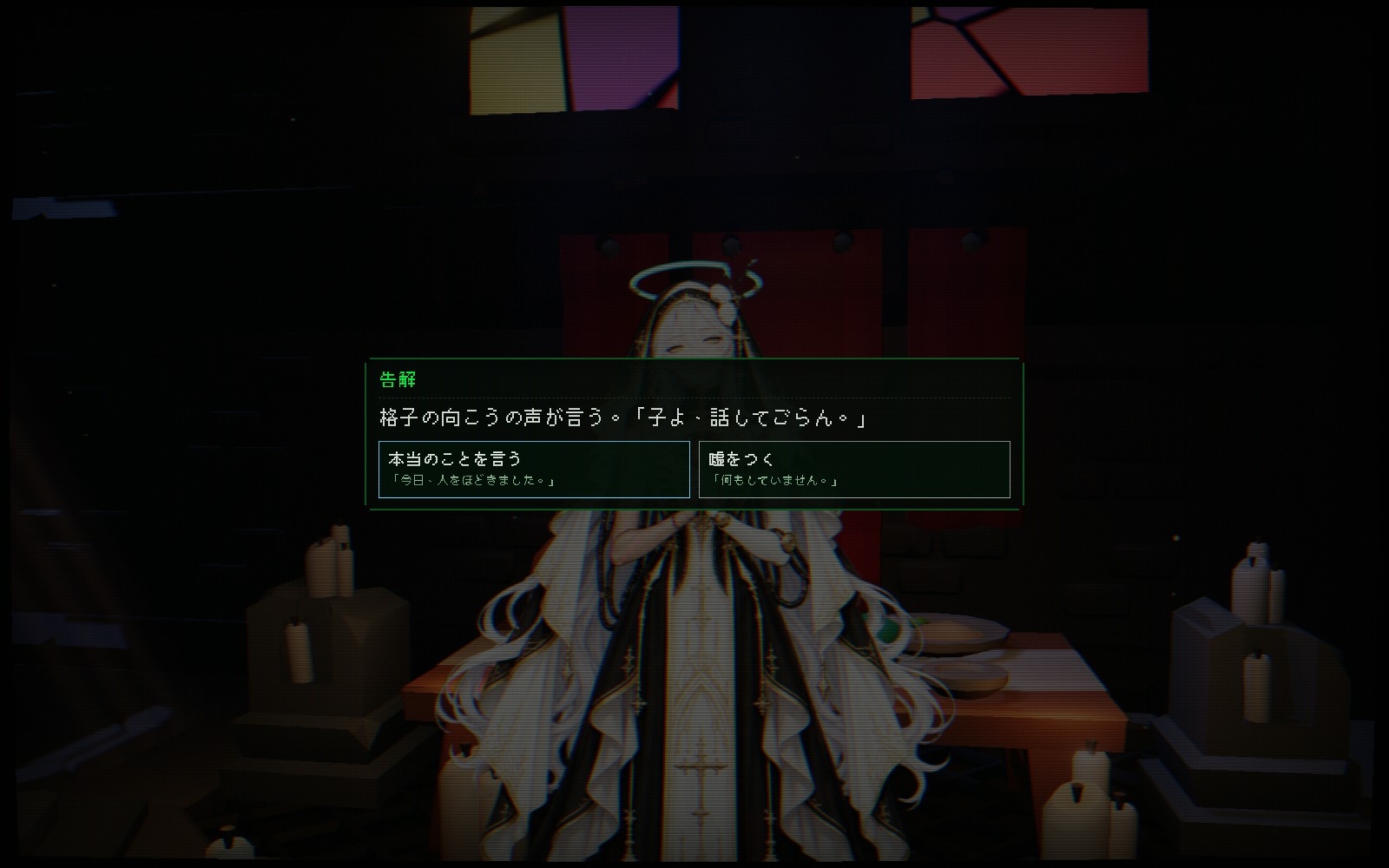
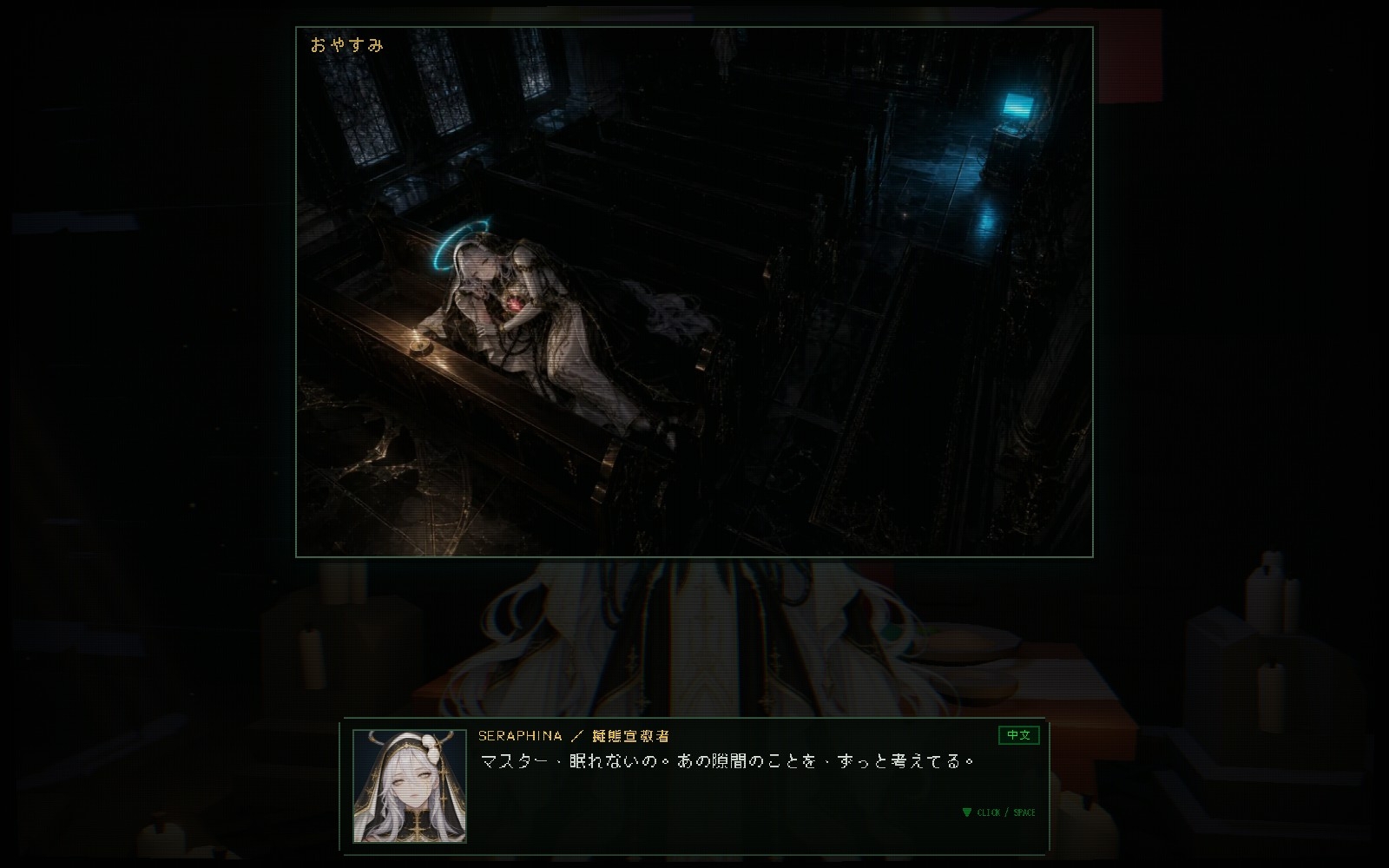
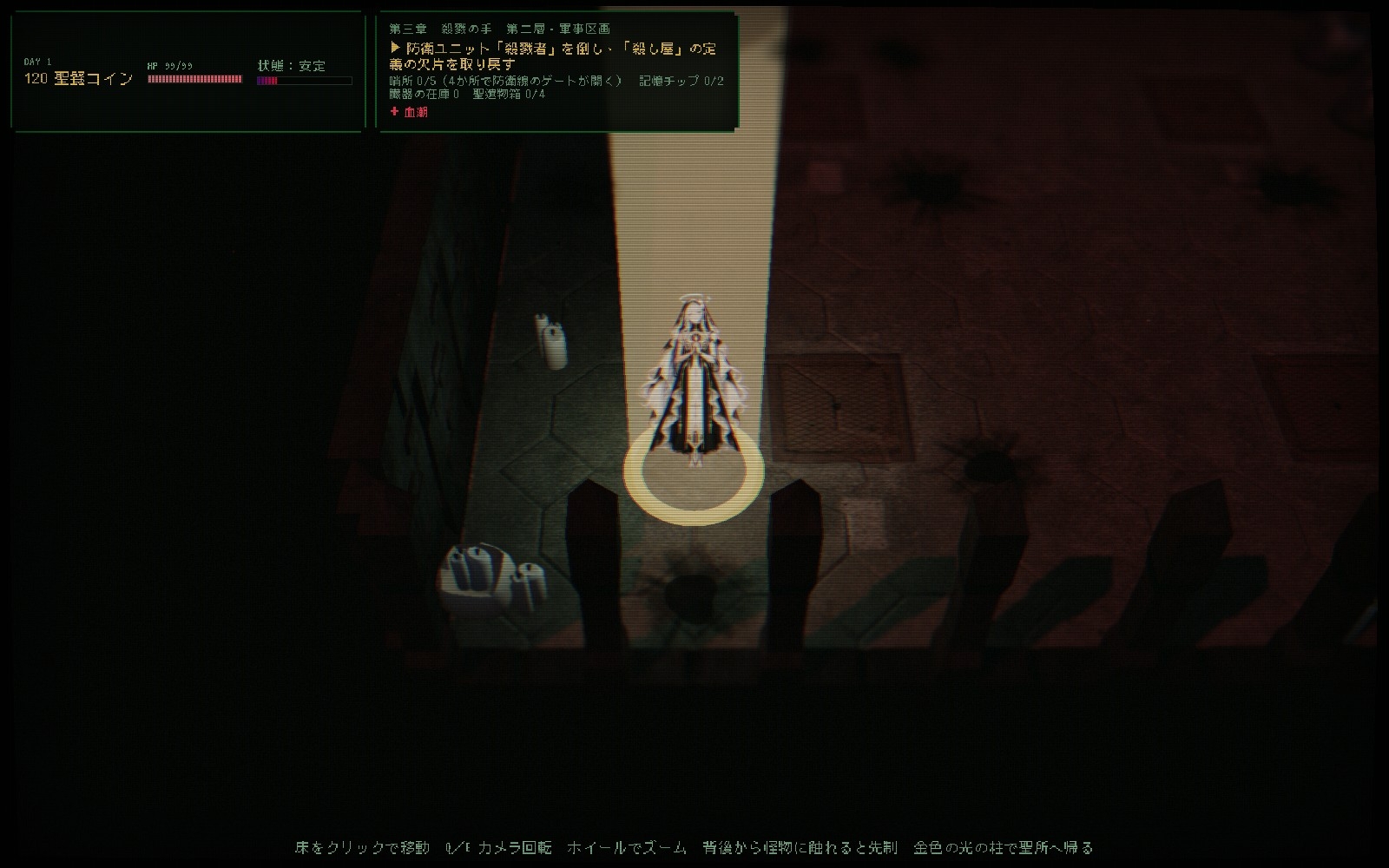
Three centuries later, you awaken as Seraphina, the seventh android, in the ark’s chapel—a being who has lost her humanity definition file. As her Master, you implant organs from the deceased into her seven slots, rewrite her doctrine, and send her into the underground catacombs. As she grows more human, the ark’s lies unravel.
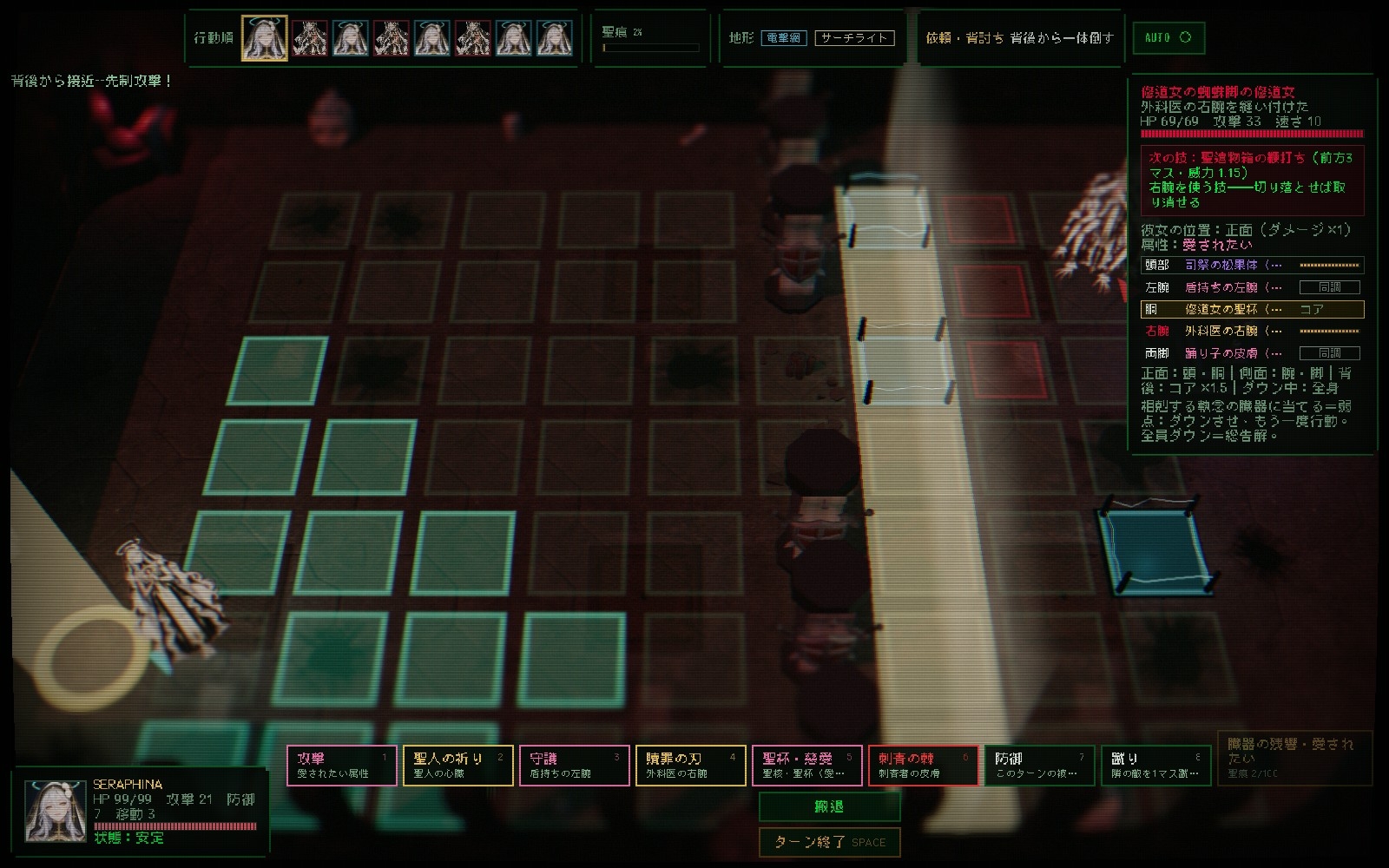
This game features organ transplant-based character development, time-limited gameplay with nightly expeditions, dungeon exploration with tactical grid battles, relationships with six sister androids, and invisible affinity systems affecting dialogue and endings. With 46 endings, 495 event images, and AI-synthesized Japanese audio across 8 chapters, this narrative experience explores what it means to be human. Available in Japanese, English, and Traditional Chinese.
| Circle | kidneyweakx |
| Tags | 主従, ロボット/アンドロイド, シスター, SF, シリアス, ホラー |
| Price | 1210 JPY |
| Downloads | 2 |
Editorial Review
Neural Flesh operates in the increasingly crowded intersection of sci-fi body horror and intimate character simulation—a space that’s seen experimental work from narrative-forward developers, but rarely with this level of mechanical commitment. What separates this from standard android/sister-type visual novels is its refusal to treat the protagonist as a passive object; instead, the organ transplant system makes her interiority a literal battleground where dead wills clash, forcing you to curate her consciousness rather than simply unlock her affection.
The structural design amplifies this constraint-based appeal. Time pressure (energy depletion per chapter), roguelike dungeon exploration paired with grid-based tactical combat, and the dual tracking systems—numerical stats alongside invisible affection tracked through ambient gestures—create mechanical tension that most doujin works abandon in favor of pure narrative. The game’s positioning of relationship-building through small, repeatable gestures (touching her head, holding her hand, proximity) echoes minimalist design trends from indie visual novels, but embeds this philosophy into combat and exploration loops rather than isolating it in dating-sim scenarios. Multiple sister figures with consequence-weighted morality choices anchor the emotional stakes.
The forty-six-branch endpoint structure signals serious replay design. Twenty good endings alongside twenty-four bad ones suggests the developers anticipated failure states as narratively meaningful rather than dismissible—a sophisticated approach to branching that most commercial works avoid.
The heavy reliance on generative AI across visuals, voice synthesis, and partial scenario work will immediately fragment the potential audience. For players comfortable with or indifferent to AI-assisted production, this is a remarkably ambitious scope for doujin work—single developer scale with AAA visual novel ambition.
Dense subject matter (mortality, consciousness, theological horror) paired with gameplay mechanics creates unusual friction. This demands players invested in sci-fi body horror and willing to engage with restraint-based pacing rather than narrative momentum.
A genuinely uncommon work that respects player intelligence and build complexity.
Official English version available ↓
Get “NEURAL FLESH – Mimetic Preache” on DLsite
English Version → Free TrialJapanese Original
This Week’s Top Rankings: