
Synopsis
A book where you can have conversations with Kei-chan. Depending on the version, reactions and dialogue content vary, creating a fun experience similar to a “spot the difference” game. Discover the different possibilities and personalities that emerge through each interaction. This unique book encourages repeated reading as you explore how Kei-chan responds differently based on which version you’re experiencing. Perfect for those who enjoy interactive storytelling and finding subtle variations in character responses.




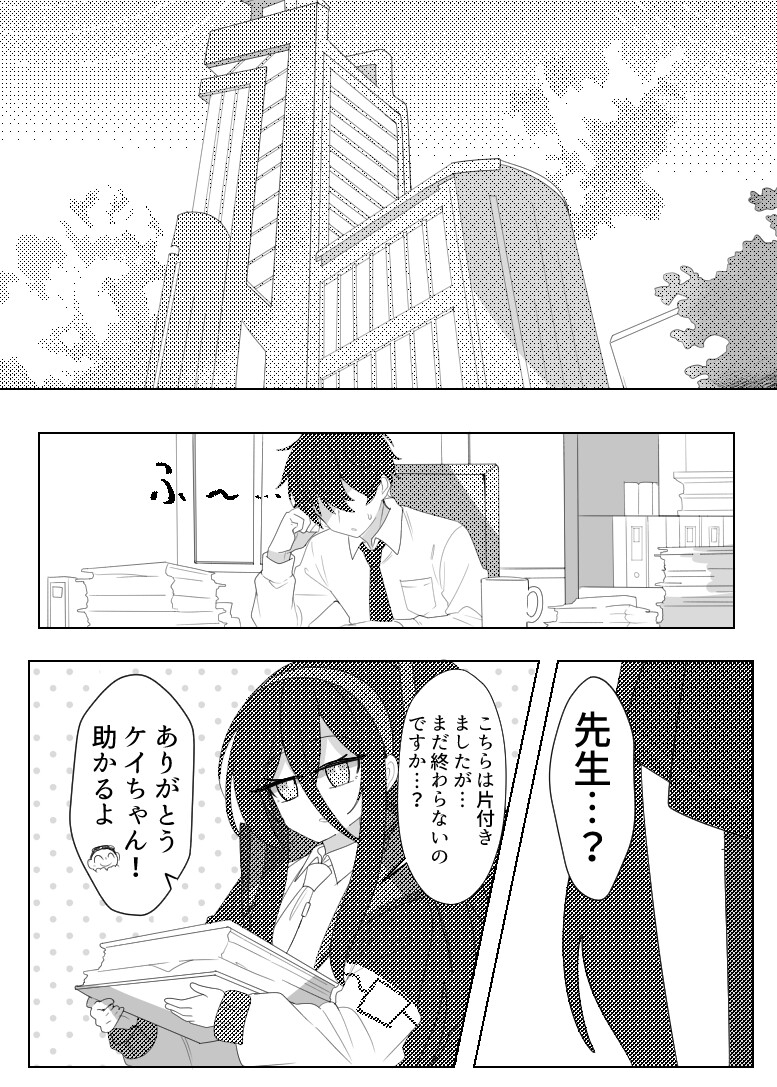
| Circle | かるいざわ |
| Tags | Manga, PDF, Japanese |
| Price | 1,540JPY |
Editorial Review
This dual-version interactive manga sits at an interesting intersection of choose-your-own-adventure mechanics and character study, positioning itself within the growing niche of branching-narrative doujinshi that prioritize reader agency over linear storytelling. The White/Black versioning system places it alongside similar works that use variant editions to explore alternate character responses and narrative outcomes, though the emphasis on “spot-the-difference” gameplay suggests a more playful, puzzle-oriented approach than typically seen in serious branching narratives.
The core appeal hinges on what the synopsis frames as “Kei-chan’s possibilities”—a character exploration that shifts substantially across versions. Rather than presenting identical stories with minor cosmetic changes, the work promises genuine variations in both reactive dialogue and plot progression, with the difference-spotting mechanic serving as an organizing principle. This transforms passive reading into active comparison, rewarding attentive readers who replay to catch how character interactions diverge. The emphasis on conversation (“お話しする”—talking with Kei-chan) suggests this isn’t action-driven but relationship-focused, centering on dialogue-based character revelation.
The PDF format and manga classification indicate a primarily visual presentation, meaning the artwork’s ability to convey character nuance and emotional shifts across versions becomes crucial to the work’s success. The dual-version structure also hints at potentially complementary thematic content—the White/Black terminology often carries symbolic weight in Japanese works, though the synopsis doesn’t elaborate on this distinction.
This appeals most to readers who enjoy character-driven narratives and interactive storytelling puzzles, particularly those who appreciate rereading as a core gameplay element rather than an afterthought. Fans of branching dialogue systems and intimate character studies will find conceptual merit here. The work succeeds as a clever vehicle for exploring character facets through comparison rather than as a traditional linear narrative.
Get “I Don’t Like Teacher At All Ve” on DLsite
This Week’s Top Rankings:
📖 How to buy on DLsite — step-by-step guide
💳 Payment methods for overseas buyers (Visa/MC declined?)
Interested? Get the free trial here ↓
![Succubus Nightmare [English Version]](https://henhenta.com/wp-content/uploads/2026/10/RJ214560-300x225.jpg)