
Synopsis
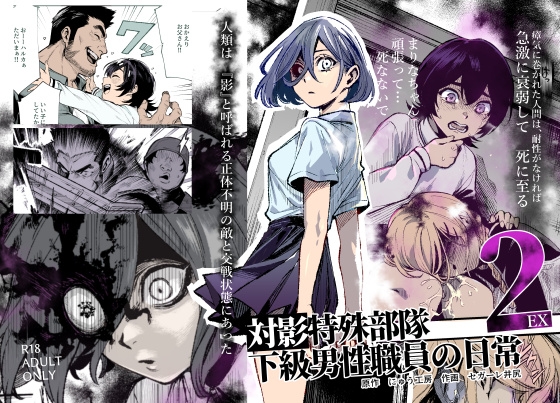
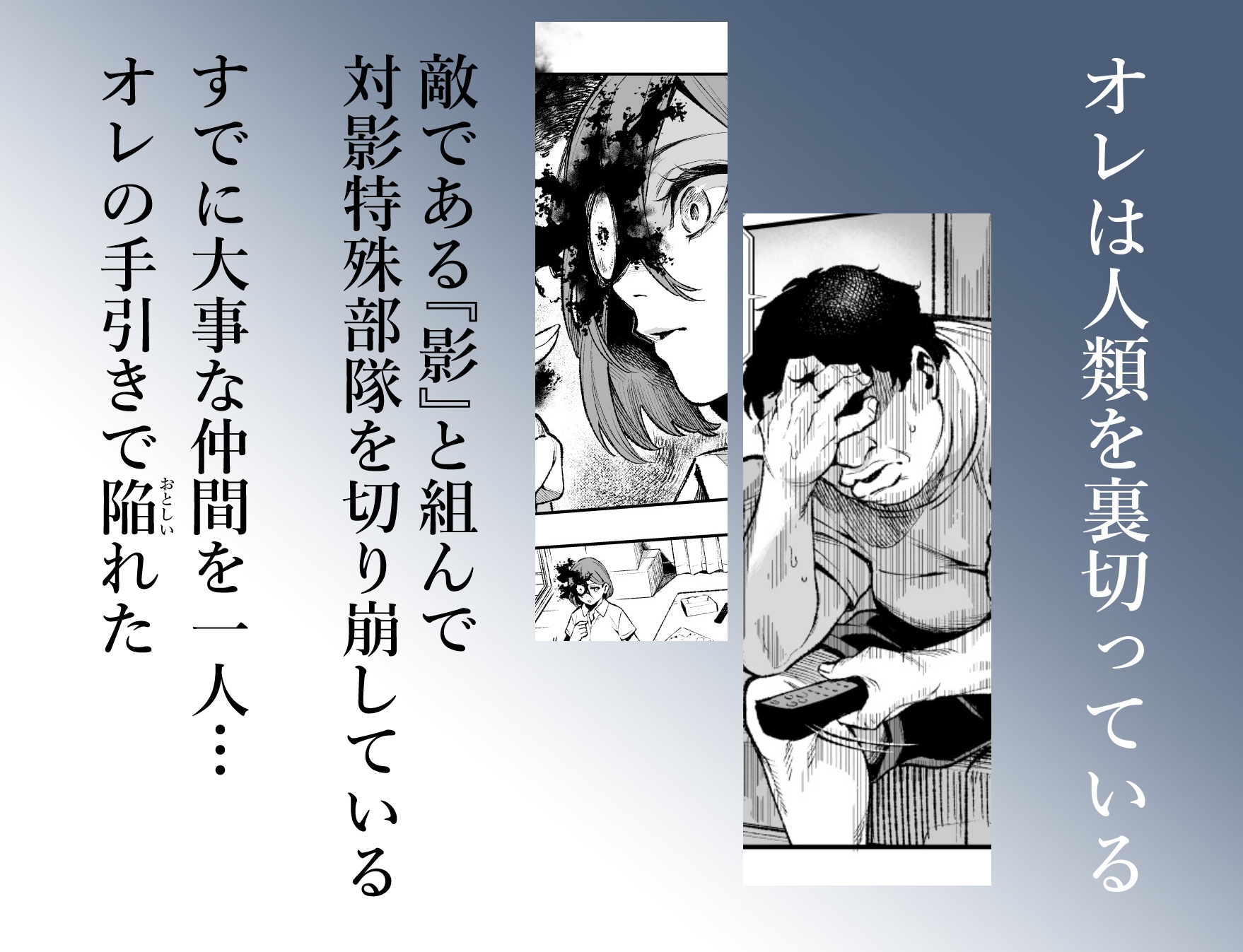
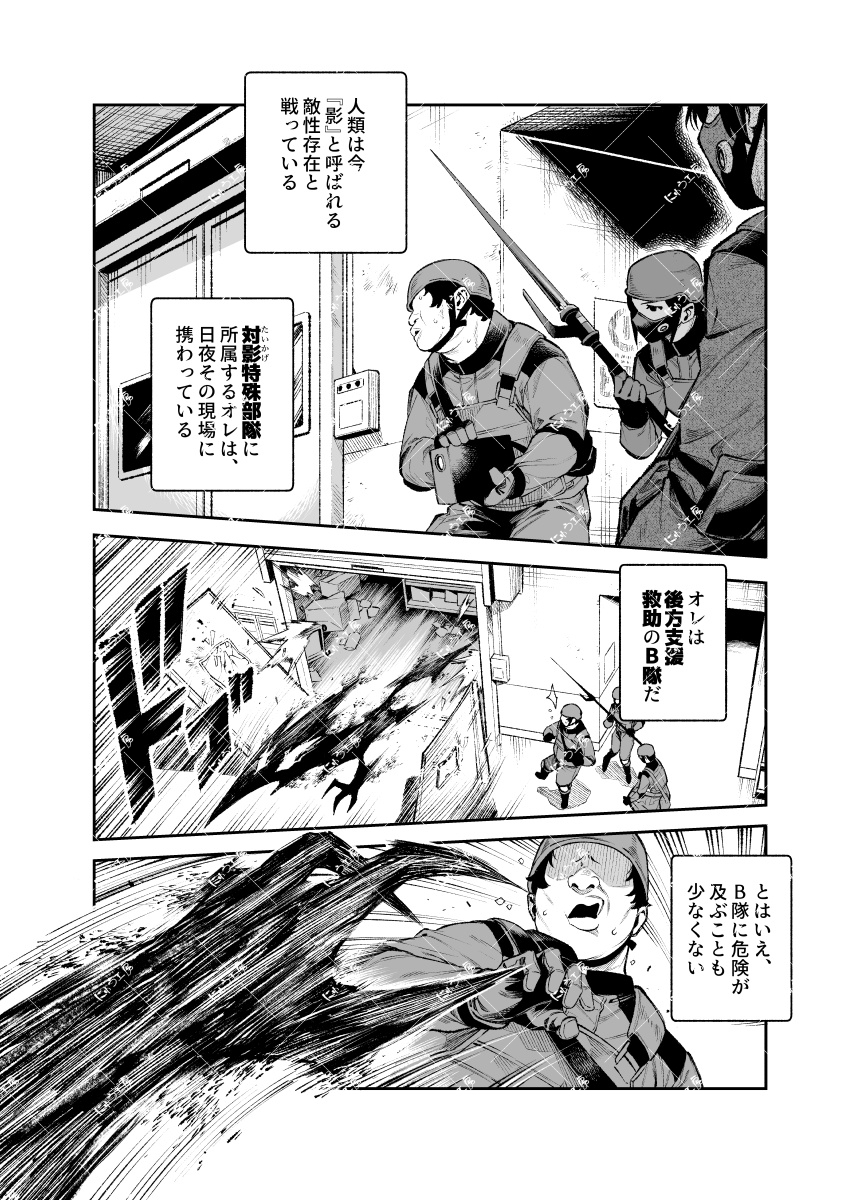
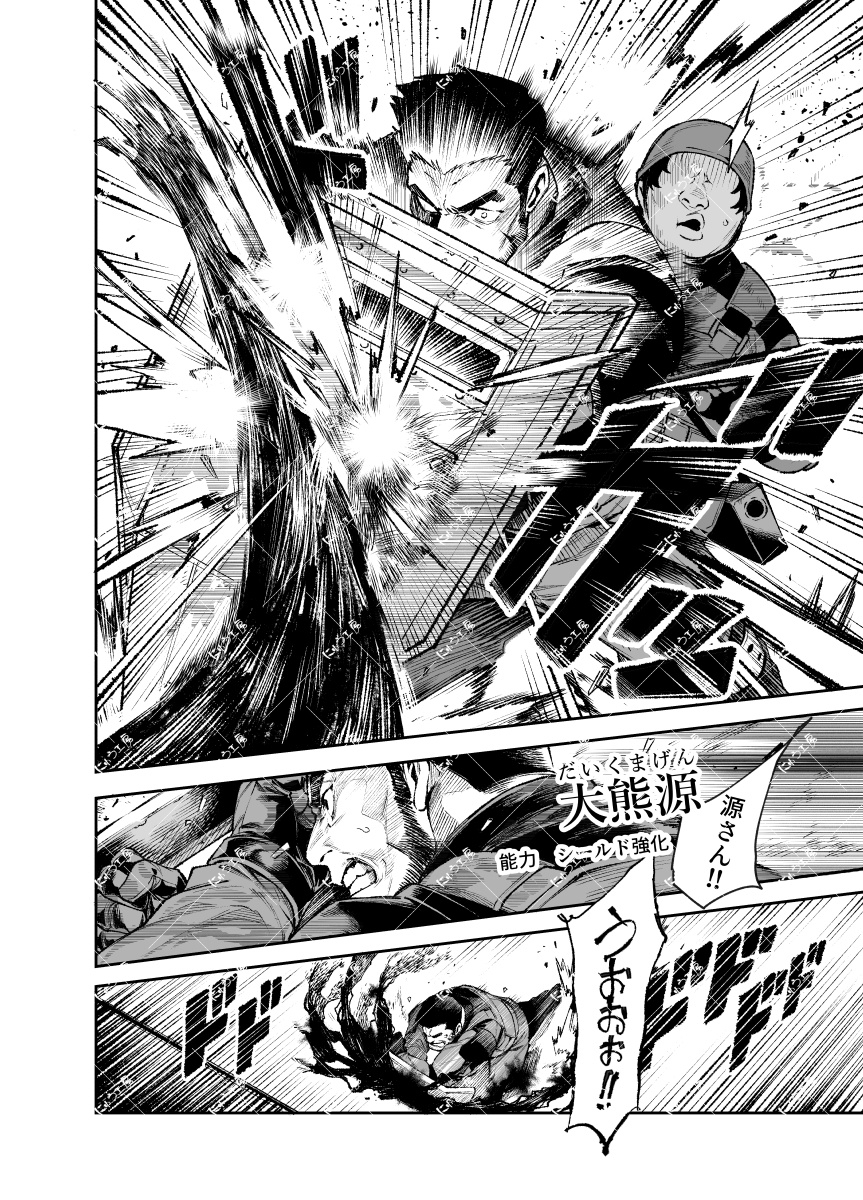
This is the sequel to the bestselling series that exceeded 50,000 copies! Humanity faces an enigmatic enemy known as “Shadows” in an ongoing conflict. The protagonist, having betrayed humanity in the previous installment, allied with these enemy Shadows. Now, alongside a special individual Shadow named “Kago,” the protagonist aims to dismantle the anti-Shadow special forces unit. In this sequel, the protagonist’s life savior, Gen, and his daughter Haruka make their appearance. Three months after a Shadow disaster, Gen rescued the protagonist, earning their gratitude. However, Kago now targets Gen. The protagonist attempts to convince Kago otherwise, but a Shadow disaster suddenly erupts at an academy ahead of schedule, setting the stage for new conflicts and moral dilemmas.

| Circle | Bosom Studio |
| Tags | R18, Manga, JPEG, Japanese |
| Price | 770JPY |
Editorial Review
This sequel trades the original’s institutional critique for outright antagonistic positioning, repositioning the protagonist as a Shadow collaborator navigating between loyalty and residual human connection. It’s a rare pivot in the doujinshi space—most series either commit to redemption arcs or full-throttle villainy, rarely occupying this morally murky middle ground where betrayal coexists with genuine indebtedness.
The work’s structural appeal hinges on escalating tension between competing obligations. Gen’s rescue creates a debt that clashes directly with Kago’s agenda, manufacturing genuine dramatic stakes rather than relying on combat spectacle alone. The introduction of Haruka alongside her father suggests the narrative is testing whether familial bonds can compete with the protagonist’s newfound Shadow alliance—a thematic choice that elevates this beyond simple antagonist-versus-institution storytelling. The premature Shadow disaster functions as a forcing mechanism, collapsing the protagonist’s careful balancing act and removing negotiation as an option.
What distinguishes this from standard sci-fi action doujinshi is its refusal to provide easy moral clarity. The protagonist isn’t being redeemed; they’re actively complicit in dismantling the institution that trained them. Simultaneously, they’re defending the man who saved their life against an inhuman entity they’ve bound themselves to. This creates authentic moral paralysis rather than heroic dilemma.
The “low-rank staff” framing remains crucial—the protagonist’s insignificance within both hierarchies (military and Shadow collective) means their choices ripple without matching their actual power level, generating tragicomic tension.
Readers invested in morally compromised protagonists, institutional deconstruction narratives, or character-driven conflict over action setpieces will find genuine substance here. The sequel’s willingness to complicate rather than simplify its premise justifies its commercial success. Highly recommended for those who valued the original’s premise-driven approach over conventional storytelling satisfaction.
Get “Daily Life of a Low-Rank Male ” on DLsite
This Week’s Top Rankings:
📖 How to buy on DLsite — step-by-step guide
💳 Payment methods for overseas buyers (Visa/MC declined?)
Interested? Get the free trial here ↓