Synopsis
“How a Full-Time Office Worker Completes 622 Pages of Layouts and 224 Pages of Finished Manga in One Year”
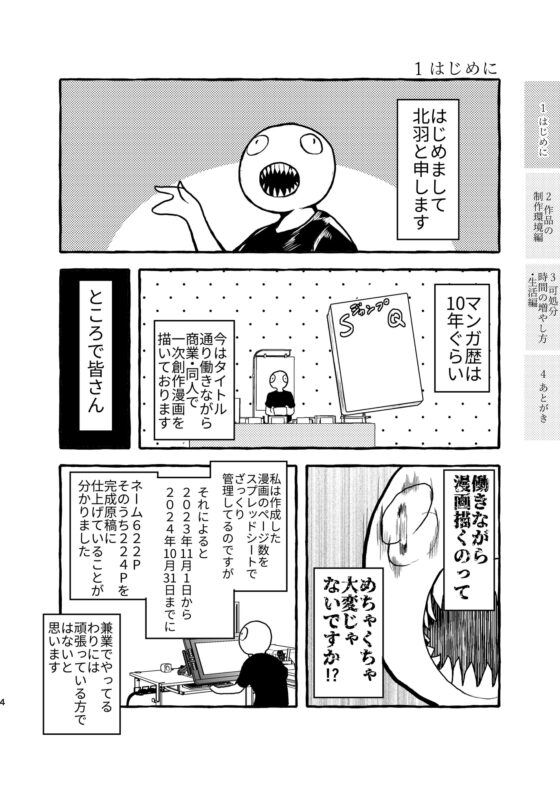
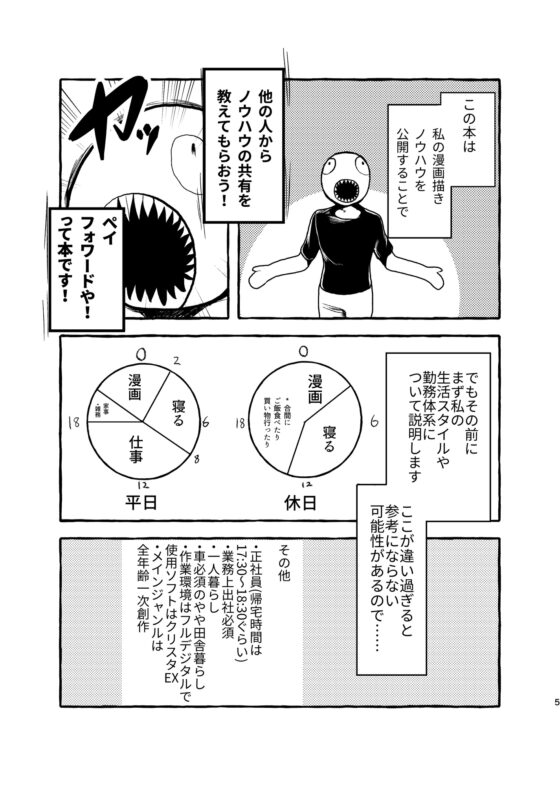
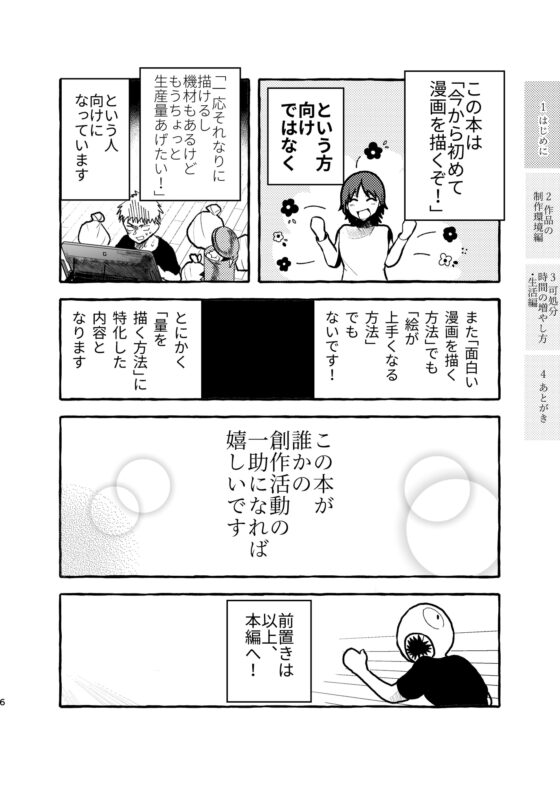
Hello, I’m 北羽. I made my commercial debut in Jump SQ in October 2024, and I’m currently a budding manga artist working full-time while creating original manga for both commercial and doujin projects.
I’ve been drawing manga for about 10 years now. But let’s be honest—creating manga while working a full-time job is incredibly challenging! That’s why I’ve compiled the methods that worked best for me into this single book. I hope this know-how can support your creative journey.
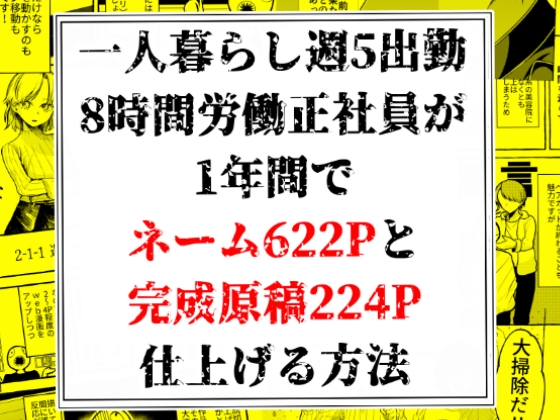
Get “How a Full-Time Office Worker” on DLsite
This Week’s Top Rankings:
Editorial Review
This isn’t girls’/otome manga in the traditional sense—it’s a production manual disguised as creative testimony, and that genre-defying positioning is precisely what makes it vital for the doujin ecosystem right now. As the indie manga community increasingly grapples with sustainability and output, meta-works like this occupy an underexplored niche: practical craft guides written by working professionals who actually live the contradiction of day jobs and creative ambition.
What distinguishes this from generic productivity advice is its specificity. The author presents concrete evidence of output (622 pages of layouts, 224 pages of finished manga annually) while holding a full-time position, then reverses-engineers the systems that made it possible. This isn’t theoretical time management; it’s a case study from someone with a Jump SQ commercial debut backing the claims. The ten-year drawing history contextualizes the advice as hard-won rather than prescriptive.
The tag cluster around “manga technique” and “professional tips” signals this targets aspiring creators caught between commercial viability and day-job reality—a demographic that’s grown substantially as doujin communities mature beyond hobbyist spaces. The “original manga” tag suggests the methodologies apply across genres and styles, making this relevant whether you’re plotting romance, action, or experimental work.
The non-explicit content designation simply reflects what this is: a technical document, not narrative fiction. Readers seeking story-driven entertainment should look elsewhere. But for anyone wrestling with the mathematics of creative output while salaried—calculating whether a doujin project is even feasible—this delivers the unglamorous infrastructure breakdown that editorial workshops and artist interviews usually skip over.
A practical reference that reframes creative sustainability as a solvable production problem rather than an impossible fantasy.
Related Tags:
📖 How to buy on DLsite — step-by-step guide
💳 Payment methods for overseas buyers (Visa/MC declined?)
Official English version available ↓


![[Sampler] How a Lonely Vampire Reclaims His Reincarnated Fiancée ~An Obsessive Love Spanning 300 Years~](https://henhenta.com/wp-content/uploads/2026/09/RJ01114970-300x225.jpg)