Synopsis
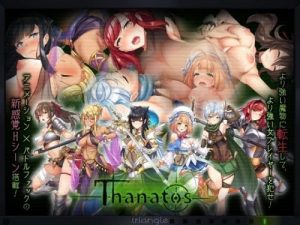
A strategic RPG centered around NTR (netorare) themes.
●STORY
The Art of Domination—a forbidden technique that manipulates the hearts of others at will.
To defeat the evil sorcerer Guin, Almar, Drow, and their companions set out on a journey.
Defeat in battle means falling under the Art of Domination. Can Drow protect his companions’ hearts…?
●SYSTEM
Five heroines, each with unique abilities, await your command in tactical combat.
However, defeat in battle triggers the Art of Domination, initiating H-events. Events progress in stages—with each defeat, the spell advances until the heroines swear loyalty to the enemy.
Two endings available: Good End and Bad End. Clear bonuses unlock all reminiscence events.
●CHARACTERS
・Drow – The protagonist and knight from Almar’s homeland
・Almar – A lord’s daughter who leads with determination and kindness
・Junon – The realm’s greatest sorceress, enraged by Guin’s betrayal
・Farl – Almar’s trusted aide and Drow’s senior in swordsmanship
・Crosshee – A hunter who aids the group to protect her village
・Crescent – A cheerful dragon knight seeking to free her companion
・Guin – The treacherous sorcerer who stole the Art of Domination
27 Base CGs


Editorial Review
Lord Almar positions itself squarely within the punishment-route SRPG subgenre, where strategic defeat functions as narrative progression rather than failure state. This mechanical framing—where losing unlocks the game’s thematic content—distinguishes it from standard tactical RPGs, aligning it with a small but devoted corner of the doujin market that treats combat failure as inevitable gateway rather than obstacle.
The work’s primary hook is its staged corruption system: each battlefield loss advances the Art of Domination spell incrementally, transforming heroines’ loyalty through escalating H-events rather than sudden conversion. This multi-stage approach differentiates it from NTR works that pivot abruptly to betrayal; here, the psychological unraveling is mechanically paced. The five-heroine ensemble with distinct abilities—particularly the sorceress Junon, whose personal grievance against Guin adds narrative friction—suggests character-specific branching rather than interchangeable victims. The dual-ending structure (Good End / Bad End) implies genuine stakes: players must weigh whether protecting companions’ hearts through victory aligns with their preferred outcome, or whether embracing defeat carries perverse appeal.
The SRPG framework itself is the differentiator. Most NTR doujin operate as kinetic visual novels or static galleries; deploying tactical combat as the medium through which corruption unfolds creates mechanical meaning for thematic material. Reminiscence unlock via clear bonuses indicates post-game depth, though execution quality remains uncertain.
This will resonate most with players who enjoy NTR mechanics but feel fatigued by passive visual novel presentation—those seeking agency (however inverted) in their corruption narratives, and tactical enthusiasts willing to embrace intentional defeat.
A competent NTR-SRPG hybrid that justifies its genre blend through paced degradation mechanics and multi-ending structure. Worth exploring if you’re serious about strategic vulnerability as storytelling.
Get “Lord Almar of the Warfront: Th” on DLsite
This Week’s Top Rankings:
Related Tags:
Fantasy | adult | NTR | domination | Brainwashing
📖 How to buy on DLsite — step-by-step guide
💳 Payment methods for overseas buyers (Visa/MC declined?)
Interested? Get the free trial here ↓