
Synopsis
Long ago, three heroes sealed away an evil god: a human hero, a High Elf, and a Dark Elf. After sealing the god, each founded their own nation, and the world enjoyed peace for years. The High Elves and Dark Elves have continued to guard the seal and maintain world peace, but the human kingdom is regarded as inferior since it contributed little to the sealing. The protagonist, descended from the legendary hero, resents being looked down upon. Today, human technology, magic, and curses have advanced to rival the elves’ abilities. With such power, surely even demons and dark forces could be subjugated. The protagonist vows to tame the elves who mocked them and prove human supremacy.
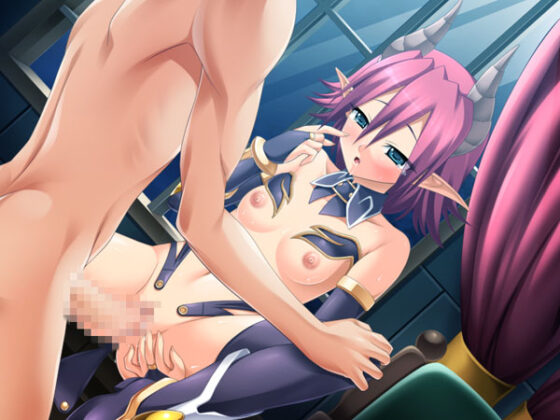
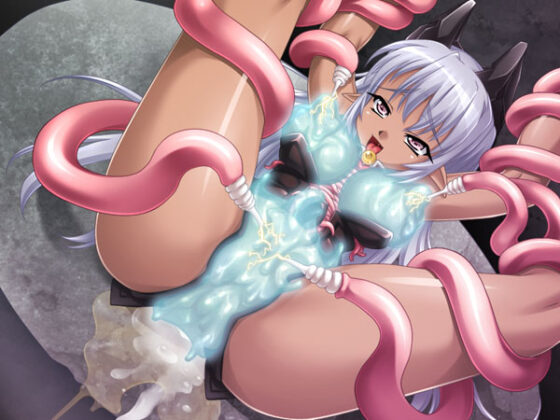
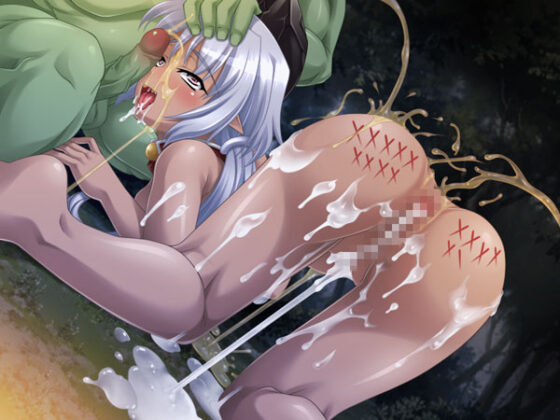
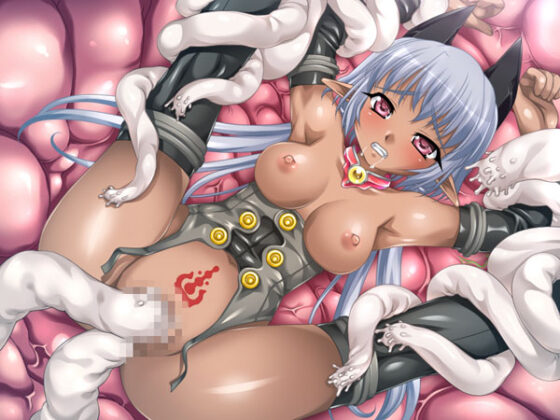
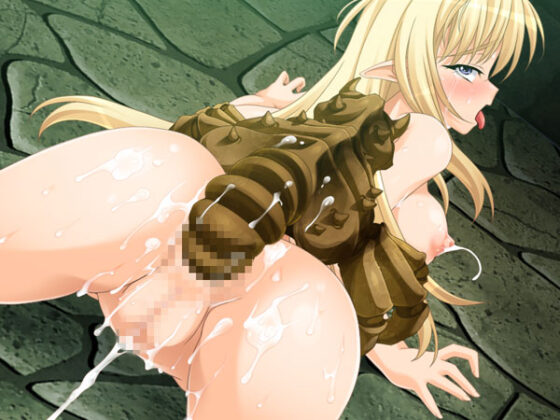
Editorial Review
Rune Princess positions itself within the conquest-fantasy subgenre that’s experienced steady growth on DLsite—specifically the flavor that weaponizes humiliation as both narrative driver and mechanical reward. What distinguishes this work is its inversion of the typical power dynamic: rather than a protagonist subjugated by stronger forces, we have someone ascending from a position of institutional inferiority to impose dominance. The futanari tag combined with the brutal and humiliation elements suggests a work interested in exploring bodily transformation as conquest metaphor.
The High Elf and Dark Elf dynamics ground the appeal in recognizable fantasy hierarchies, then destabilize them through the protagonist’s technological and magical advancement. This “underdog turns oppressor” trajectory is less common than straightforward domination scenarios, offering psychological texture beyond pure power fantasy. The large breasts tag signals that character design prioritizes visual impact—a safe bet for works emphasizing degradation and objectification as fantasy fulfillment rather than character development. The Windows platform specification indicates a traditional visual novel or RPG structure, likely with branching scenarios tied to the subjugation premise.
This appeals directly to readers seeking humiliation narratives with overt power-imbalance reversals, particularly those drawn to futanari content as a mechanism for reframing vulnerability and dominance. The premise works best for audiences already comfortable with racial/species-based conquest frameworks and explicit degradation as cathartic fantasy.
Rune Princess delivers straightforward wish-fulfillment through subjugation mechanics wrapped in fantasy worldbuilding—competent execution of a niche premise rather than innovative design, but precisely calibrated for its audience.
This Week’s Top Rankings:
Related Tags:
Fantasy | large breasts | humiliation | futanari | Windows
📖 How to buy on DLsite — step-by-step guide
💳 Payment methods for overseas buyers (Visa/MC declined?)
Interested? Get the free trial here ↓
![Autumn Hot Spring Inn Secrets [Android]](https://henhenta.com/wp-content/uploads/2026/10/RJ01739664-300x225.jpg)
![[Smartphone Version] Elf’s Hole [Hurricane.com]](https://henhenta.com/wp-content/uploads/2026/10/RJ01690744-300x225.jpg)
![Patron Police [Smartphone Version]](https://henhenta.com/wp-content/uploads/2026/10/RJ01693588-300x225.jpg)
![Squeeze★Extraction Nightmare! [Mushaborareru Kibou]](https://henhenta.com/wp-content/uploads/2026/10/RJ01722380-300x225.jpg)
![Tower of Aldia [Smartphone Version]](https://henhenta.com/wp-content/uploads/2026/10/RJ01263861-300x225.jpg)
![Kingdom Knight Dad [Smartphone Version] | DLsite](https://henhenta.com/wp-content/uploads/2026/10/RJ01493524-300x225.jpg)