
Synopsis
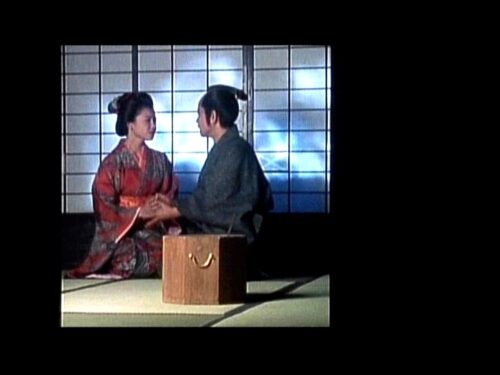
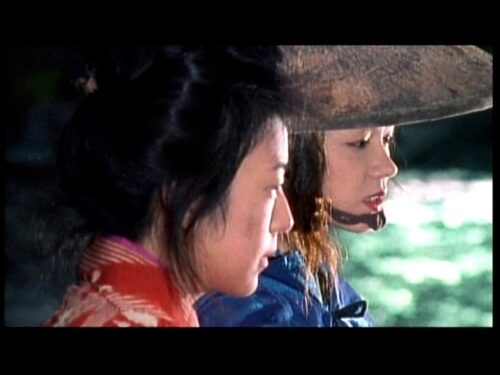
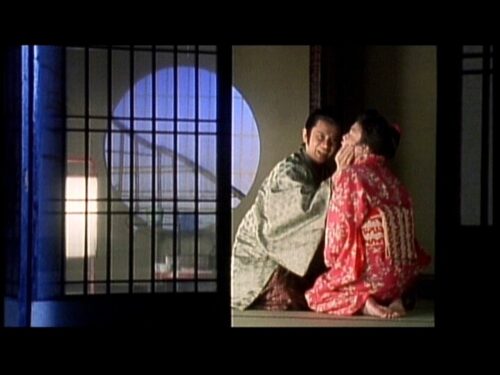
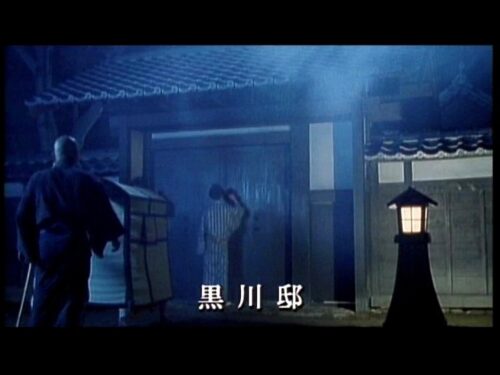
The third installment in the Manji Dance series. Female kunoichi Ochō loses Gonzō, whom she respected like a parent. Driven by vengeance against the samurai who killed him, she leaves her village…

Editorial Review
The Manji Dance franchise has carved out a distinctive niche within the period action-drama landscape, and this third installment continues that trajectory with the expected blend of kunoichi-centered storytelling and V-Cinema sensibilities. Where many contemporary doujin works in the samurai-adjacent space lean toward either stylized melodrama or historical pastiche, Manji Dance maintains a grittier, more character-driven approach that prioritizes emotional stakes over spectacle.
The shift to protagonist Ochō and her grief-driven vengeance arc represents a deliberate narrative choice that differentiates this entry from typical kunoichi narratives. Rather than positioning female warriors as exotic skill-holders or sexualized archetypes, the work frames Ochō’s journey through a specific emotional loss—the death of a parental figure—which anchors her violence in recognizable human motivation. The 81-minute runtime suggests a focused, compressed storytelling approach rather than sprawling ensemble work, indicating the creators are betting on character depth over subplot density. The continued collaboration between Kazushige Ohtake and Keiichiro Yoshida, combined with LEGEND PICTURES’ production involvement, signals a stable creative team with established chemistry.
The period-drama tag paired with V-Cinema framing suggests this work traffics in a particular late-20th-century Japanese aesthetic—grounded, procedural, less concerned with fantasy elements than with the texture of violence and revenge as lived experience. The kunoichi-specific tagging indicates female combat and agency remain central rather than incidental.
This appeals most strongly to viewers who appreciate character-driven action narratives with period authenticity, those already invested in the franchise’s particular tonal DNA, and audiences who value the V-Cinema sensibility’s unflinching approach to vengeance narratives. The work justifies its existence within the series through genuine character development rather than mechanical sequel expansion. A solid continuation that honors the franchise’s established strengths.
This Week’s Top Rankings:
Related Tags:
V-Cinema | kunoichi | Period Drama | LEGEND PICTURES | VR
📖 How to buy on DLsite — step-by-step guide
💳 Payment methods for overseas buyers (Visa/MC declined?)
Interested? Get the free trial here ↓