Synopsis
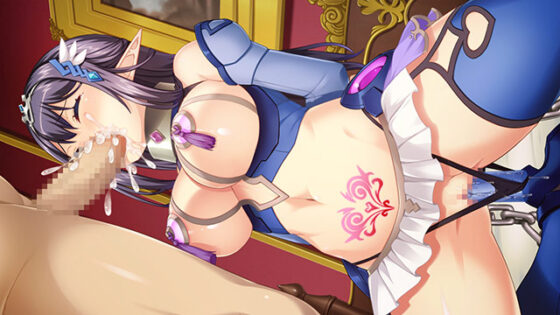
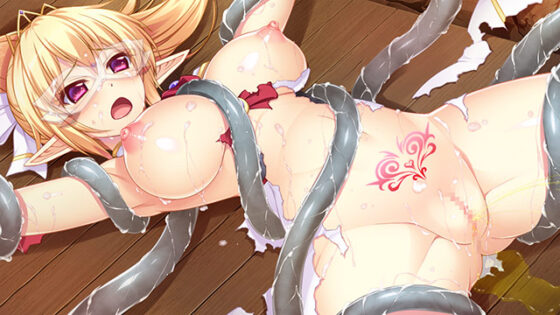
In a land where elves and humans coexist, the high elves of the ruling class govern as pontiffs. The people flourished by gaining various powers from ancient ruins, but a goblin clan coveted these treasures. Goblin Shaman Zodom, who leads the clan, obtains the power of “machinery” and commands mechanical beasts to invade the Holy Kingdom. Conventional weapons prove useless. In this emergency, the princess sisters are summoned by a shrine maiden and granted rings and new power. The two divine war princesses secretly protect their people and repel the goblin clan. Time passes—Cardinal Gedolf, driven by base ambition, plots to seize the kingdom and secretly allies with the goblins to claim the noble elven princesses as his own. Marked with lust seals by Gedolf’s treachery, the princesses’ bodies transform obscenely, and they gradually lose their divine war princess powers. In the merciless abyss of depravity, the princesses become Argus Slaves, and contrary to their noble hearts, their bodies descend into corruption.


Editorial Review
Corruption-driven visual novels with high-stakes fantasy premises have become increasingly common on DLsite, but Divine Shell War Princess Argus Slave distinguishes itself through deliberate structural irony: the narrative inverts the magical girl formula by having divinely empowered heroines systematically stripped of agency and transformed into the very antithesis of their destined roles. This is corruption in the most literal sense—not just moral compromise, but supernatural bodily degradation tied to narrative progression.
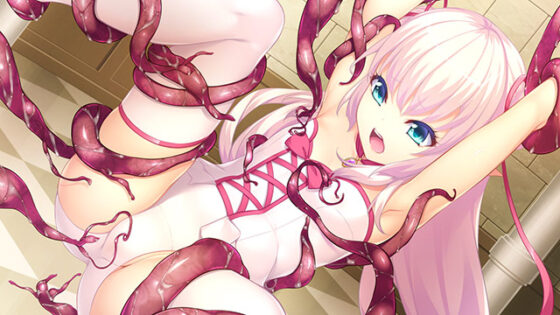
What sets this work apart is its layered antagonism. Rather than a single villain, the story deploys a conspiracy: the goblin invasion serves as cover for Cardinal Gedolf’s political coup, meaning the princesses face betrayal on multiple fronts. The lust seals function as both plot device and visual transformation mechanic, with the tags suggesting saxasa (a commonly used term for magical transformation content in doujin circles) and tentacle elements indicating that the corruption is rendered through fantastical, body-horror adjacent imagery rather than conventional sexual coercion. This aesthetic choice—using tentacles and transformation as the visual language of corruption—allows the work to explore degradation while maintaining visual distinctiveness from more straightforward adult game fare.
The princess-sisters dynamic adds psychological dimension; watching paired heroines fall in tandem typically creates different narrative tension than isolated victimhood scenarios. The mention of divine war princess powers actively diminishing as corruption advances suggests mechanical consequence to moral defeat, not mere window dressing.
This appeals specifically to players invested in corruption narratives who want genuine narrative stakes—where the heroines’ transformation reflects plot progression rather than existing as disconnected content scenes. The combination of political intrigue, supernatural punishment mechanics, and high-elf princess dynamics remains relatively underexplored in the adult visual novel space.
A solid corruption-focused fantasy visual novel that treats thematic degradation as structural inevitability rather than fetish shorthand.
This Week’s Top Rankings:
Related Tags:
humiliation | tentacles | Corruption | Windows 10/11 | transformation
📖 How to buy on DLsite — step-by-step guide
💳 Payment methods for overseas buyers (Visa/MC declined?)
Interested? Get the free trial here ↓