Synopsis
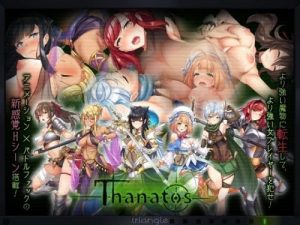
The Asgard Kingdom, the central nation of Planet Earth, is governed by the chief god Odin, his family, and the Aesir divine clan. The Valhalla Brigade, led by the goddess Anastasia, is renowned for their valor and beauty, comprising goddesses like First Princess Brynhildr. They easily repelled invasions from the giant nation of Nibelheim that opposed Asgard. However, the ugly half-breed Loki—a hybrid of human and divine blood—disrupts the balance of power. This man, burdened with inferiority complexes, uses the


Editorial Review
Anastasia and the 7 Goddess Princesses positions itself squarely in the dark fantasy corruption subgenre that has gained considerable traction among adult game audiences seeking narrative stakes. It leans heavily into the “fall from grace” fantasy that drives much of contemporary corruption-focused content, here leveraging a Norse mythology backdrop to frame the descent.
The work’s distinctive appeal lies in its systematic approach to corruption as plot progression. Rather than isolated encounters, the synopsis emphasizes a cascading domination of an entire brigade—the Valhalla Squad becomes the vehicle for exploring corruption across multiple characters with distinct divine identities. The specific pairing of mind control with breeding and NTR creates layered psychological violation; these aren’t simply carnal defeats but ideological turnovers where the goddesses betray their original allegiances. The introduction of lust rune branding as a visual-narrative mechanic (a corruption marker literally inscribed on the body) suggests production intent on making degradation tangible and persistent across scenes. This transforms the work beyond standard corruption mechanics into something closer to systematic conquest.
The Loki-as-antagonist framing—positioning an inferiority-complex-driven half-breed against a hierarchical divine aristocracy—grounds the NTR appeal in class/status inversion, a thematic complexity rare in breeding-focused fantasy content that often defaults to simpler power dynamics. The monster girl tag alongside NTR indicates hybrid assault scenarios rather than purely humanoid violation.
This will resonate most with players who specifically want narrative-justified corruption arcs where character identity and social position matter to the humiliation, rather than isolated sexual scenarios. The combination of mind control, systematic breeding, and multi-character fall narratives caters to a particular appetite for totalizing domination fantasies.
The work delivers exactly what its tag combination promises: methodical, ideologically-charged corruption with mythological framing and persistent bodily markers of degradation.
This Week’s Top Rankings:
Related Tags:
Fantasy | NTR | Corruption | monster girls | mind control
📖 How to buy on DLsite — step-by-step guide
💳 Payment methods for overseas buyers (Visa/MC declined?)
Interested? Get the free trial here ↓