
Synopsis
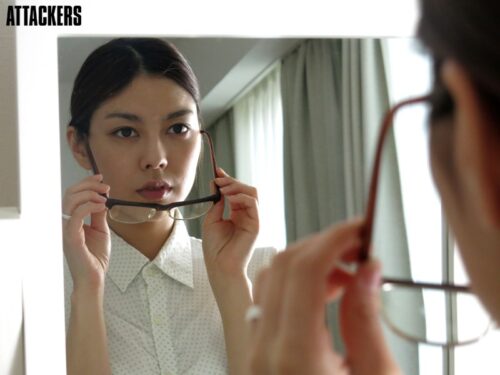
Shiyo, a plain-looking woman with no makeup and glasses, moves to the city from the countryside to work and get married. Living an ordinary but happy life, her perspective on life begins to change after taking a part-time job at a convenience store and being tempted by the store manager…
※ Recording contents may vary depending on distribution method.




Editorial Review
This is a niche transformation narrative that mines psychological degradation through workplace vulnerability—a subgenre gaining traction among doujin creators exploring how institutional environments and power imbalances reshape identity. Usui Sakiru positions herself within the current wave of “corruption through circumstance” storytelling that emphasizes the protagonist’s complicity and shifting self-perception rather than pure coercion.
What distinguishes this work is its specificity of setting and social positioning. The convenience store—a liminal space of low-wage labor and anonymity—becomes the incubator for transgression, while Shiyo’s move from rural to urban life establishes her as fundamentally displaced and seeking integration. The affair tag signals infidelity rather than fantasy, grounding the narrative in relational betrayal. The plain appearance and glasses detail matters here: her initial invisibility becomes weaponized as permission, a visual marker that society has already deemed her unremarkable enough to violate. The transformation tag suggests this isn’t static degradation but an arc where Shiyo reconstructs herself through these violations, potentially embracing the identity her appearance previously denied her.
Usui’s tag combination—affair, convenience store, drama, office worker, transformation—is genuinely rare. Most doujin works treating workplace corruption either emphasize the corporate hierarchy or the abstract power dynamic. This work’s insistence on the convenience store specifically, paired with the plainness and glasses, suggests a more granular exploration of how precarious, low-status labor creates exposure.
This will resonate most with readers pursuing psychological transformation arcs that foreground the protagonist’s shifting relationship to her own desire and social worth, particularly those who appreciate how aesthetic and economic marginalization intersect with sexual vulnerability. Readers seeking pure escapism or fantasy romance should look elsewhere.
A deliberately uncomfortable exploration of how circumstance and complicity reshape identity—technically assured and thematically specific enough to justify attention.
This Week’s Top Rankings:
Related Tags:
drama | office worker | affair | transformation | VR
📖 How to buy on DLsite — step-by-step guide
💳 Payment methods for overseas buyers (Visa/MC declined?)
Interested? Get the free trial here ↓