Synopsis
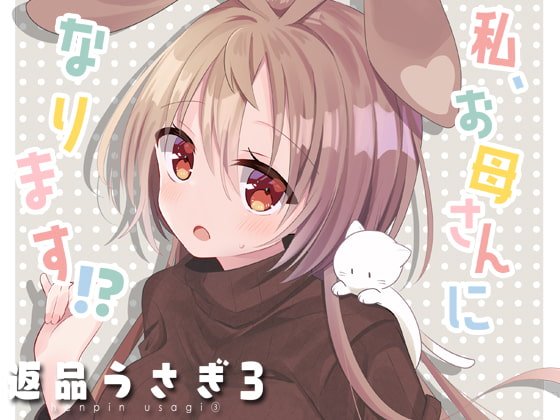
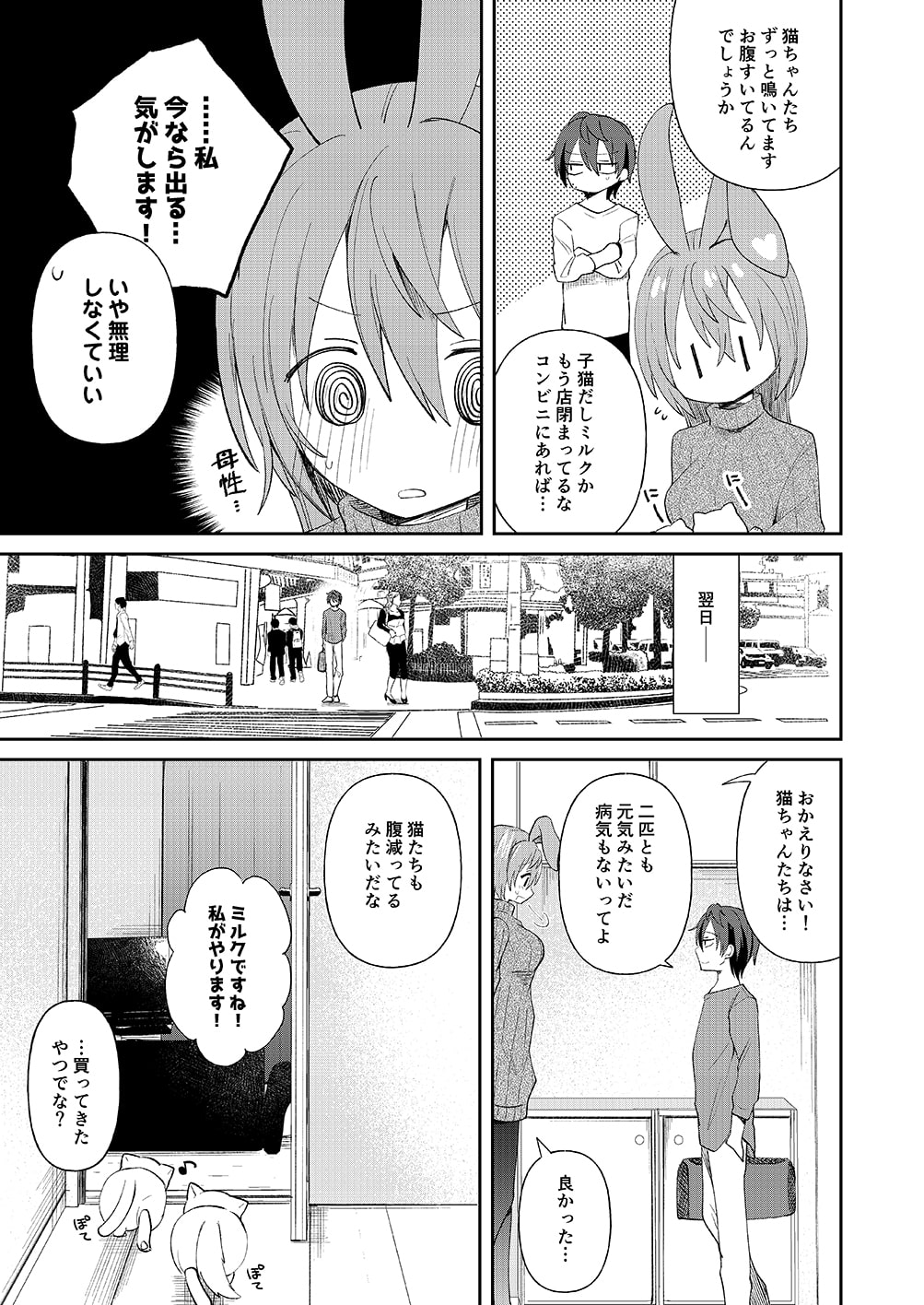
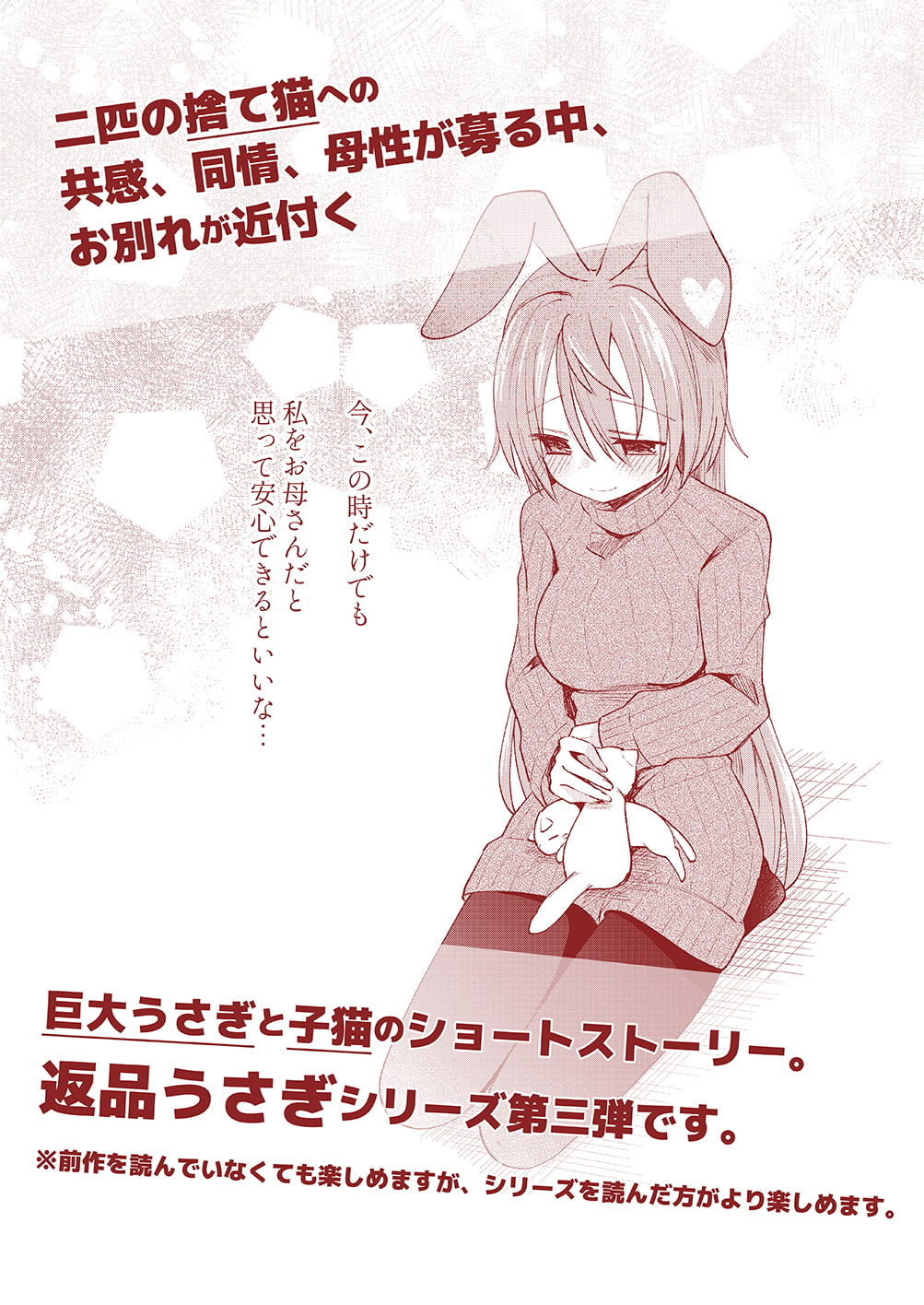
Poor giant rabbit girl Frey had been returned so many times she had lost count and heart.
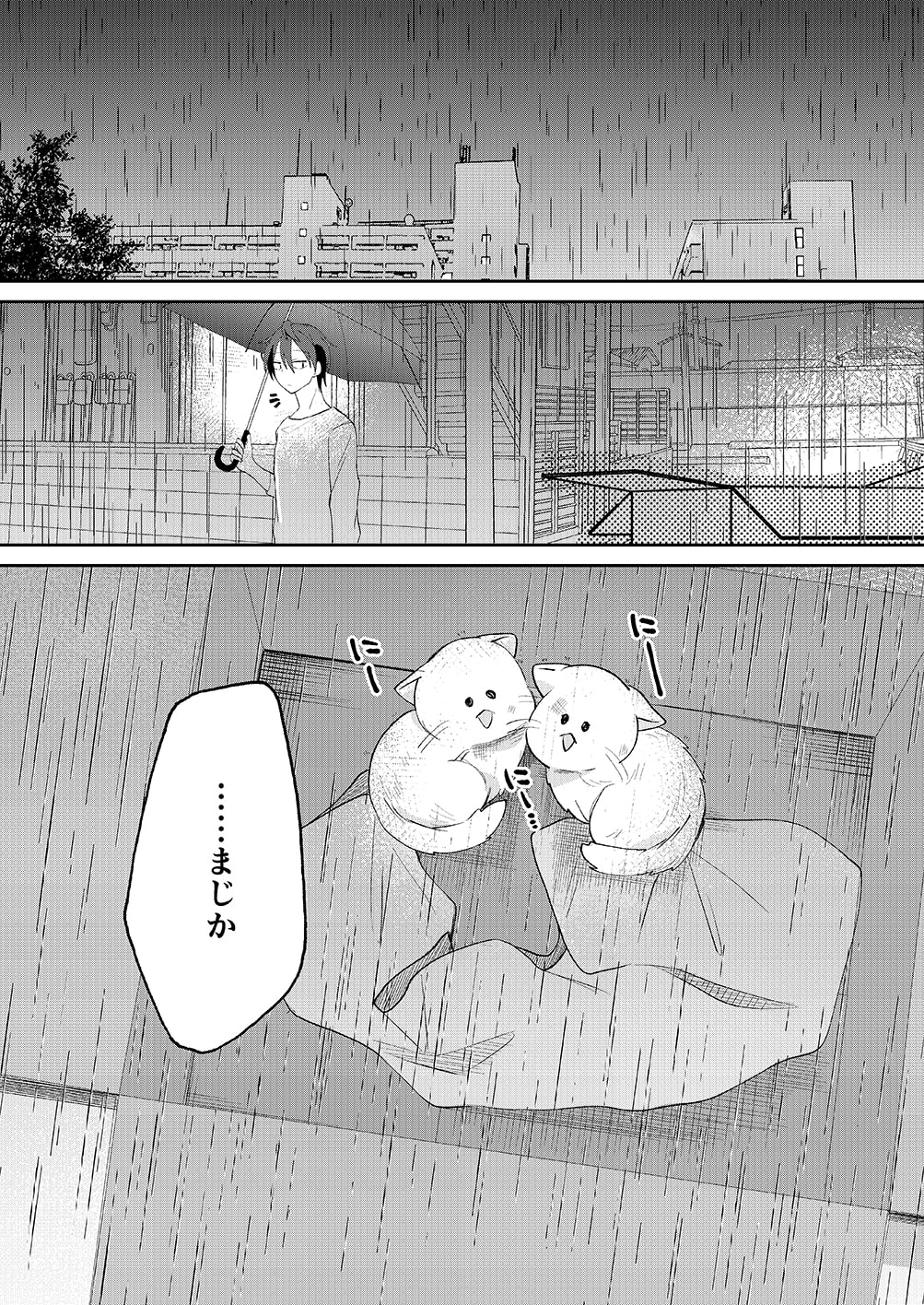
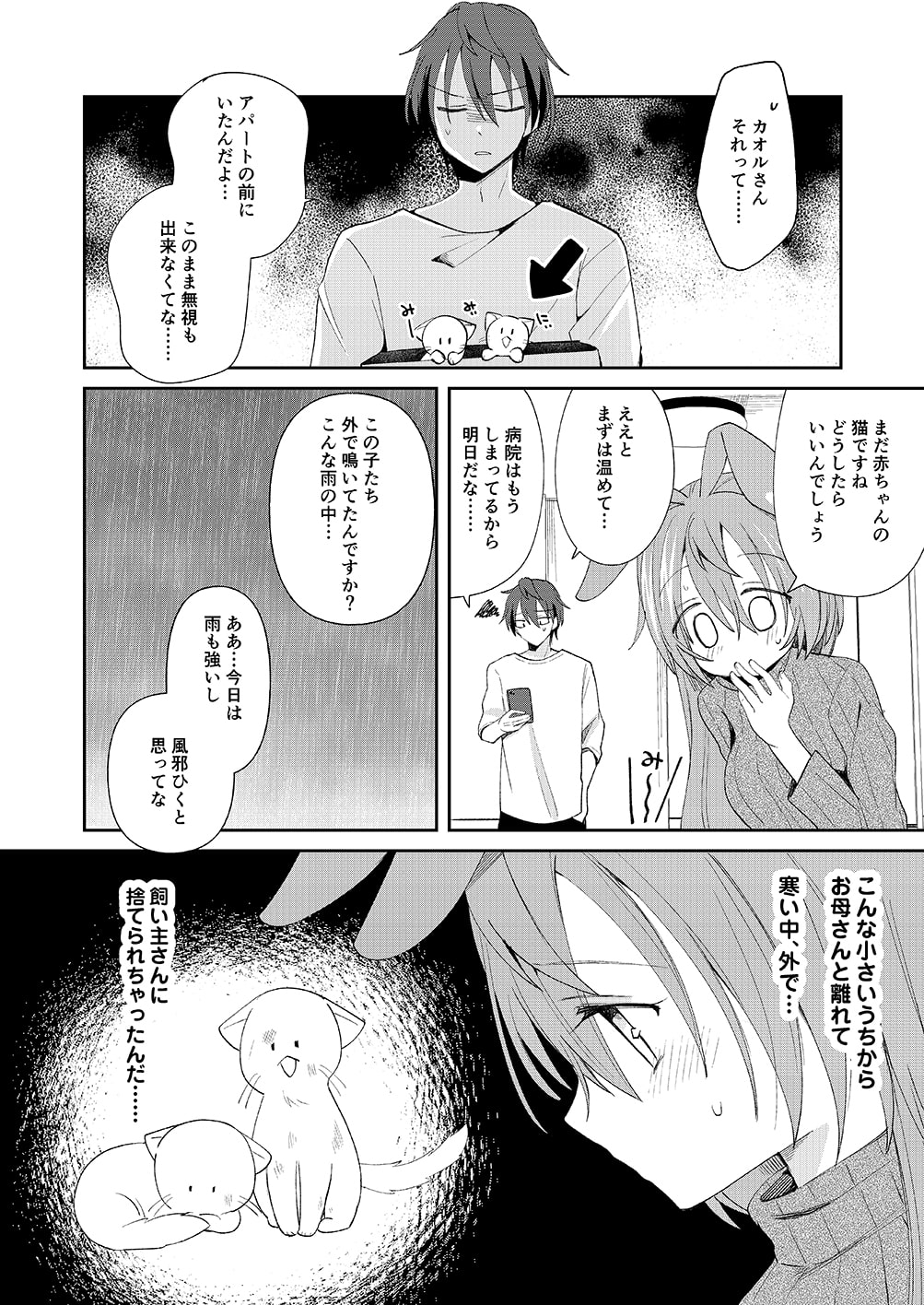
One rainy day, her owner Kaoru finds two kittens.
Despite feeling confused about the matter, Frey takes care of them until a foster family can be found…
A heart-warming short story about a giant rabbit and some kittens.
Part 3 in the Used Rabbit series.
* Can be enjoyed as a standalone product or even more so as part of the series.
| Circle | Tokonoma |
| Tags | Manga, JPEG, Japanese |
| Price | 165JPY |
Get “Used Rabbit 3 – I’m Going To B” on DLsite
This Week’s Top Rankings:
Editorial Review
This installment lands squarely in the emotional-recovery-through-caregiving subgenre that’s gained traction among doujinshi creators seeking warmth over edginess. Part 3 of the Used Rabbit series channels that distinctly Japanese sensibility for healing narratives—where broken characters find purpose through nurturing others rather than grand redemption arcs. It’s counterprogramming to the industry’s usual escalation patterns.
What distinguishes this entry is its specificity of emotional damage. Frey isn’t just sad; she’s been systematically rejected enough times to have “lost count and heart,” a state that resonates deeper than generic melancholy. The decision to place her caregiving trajectory with kittens rather than human children avoids saccharine territory—there’s something more authentic about a damaged character cautiously building trust with abandoned animals. The “giant rabbit girl” trait, while seemingly cosmetic, adds visual contrast that manga can leverage for poignant framing: size as a metaphor for feeling out of place, vulnerability despite physical presence.
The series accessibility claim matters here. Creators who properly construct standalones within longer arcs typically signal strong foundational writing, and the fact that Kaoru initiates the kittens discovery (rather than Frey actively seeking redemption) keeps agency distributed in ways that feel earned rather than contrived.
This reads as straightforward slice-of-life with emotional architecture, tagged as manga rather than illustrated novel, suggesting visual storytelling carries equal weight to narrative. The JPEG format confirms digital-first production, which usually correlates with cleaner linework in the doujinshi space.
Readers craving genuine emotional throughlines without melodrama, particularly those drawn to recovery narratives that prioritize quiet moments over crisis resolution, will find this resonant. It’s the kind of work that validates why independent creators matter: mainstream publishers rarely sustain this kind of tender pacing across installments.
📖 How to buy on DLsite — step-by-step guide
💳 Payment methods for overseas buyers (Visa/MC declined?)
Official English version available ↓
![Succubus Nightmare [English Version]](https://henhenta.com/wp-content/uploads/2026/10/RJ214560-300x225.jpg)