
Synopsis
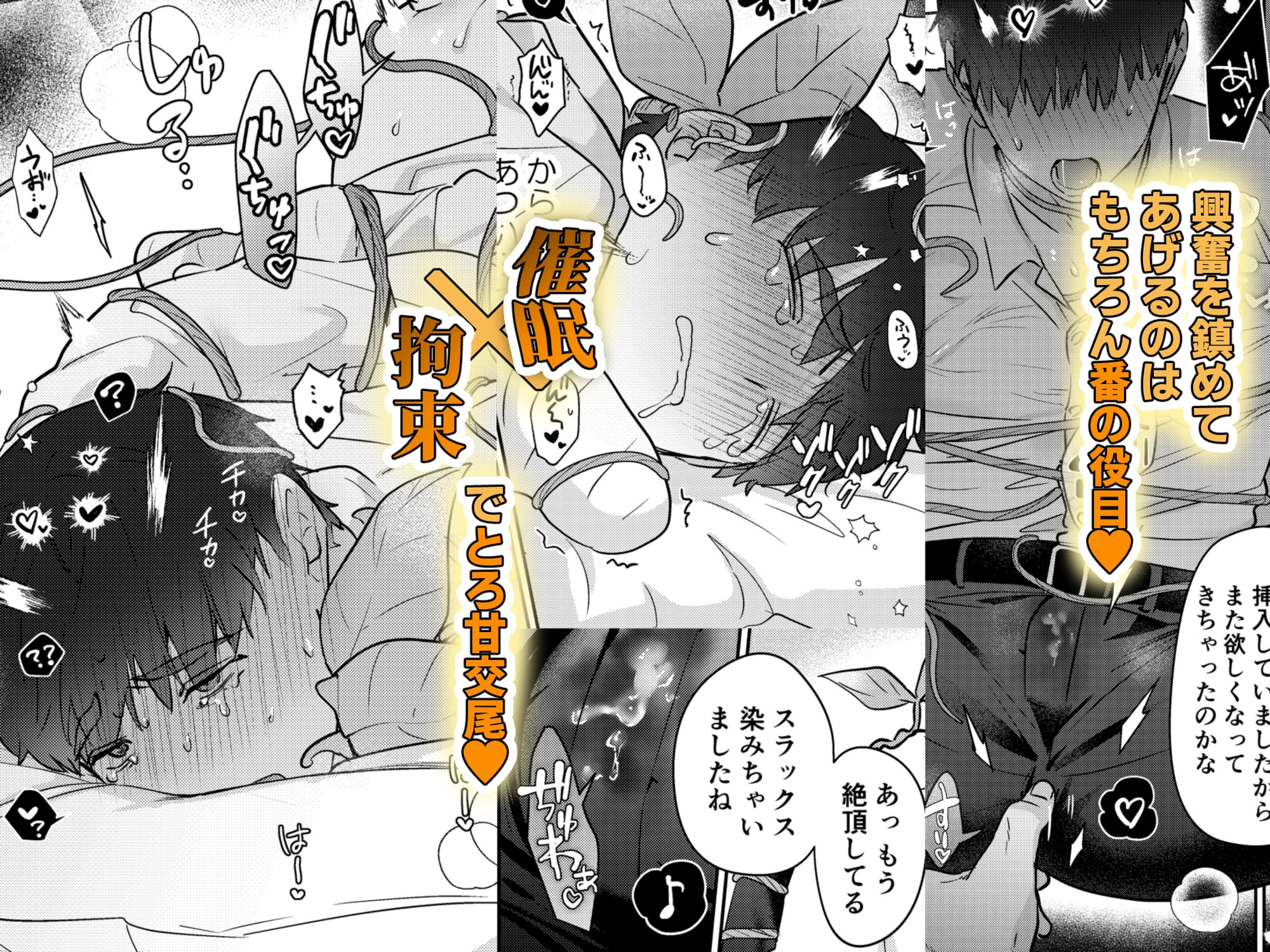
Salaryman Tамaru Satoshi purchases a “space plant” seeking relief from his hectic work life. However, due to a shipping error, he receives a “harmful species” instead—a parasitic organism that preys on mammals of its liking.
Rare and precious, this harmful species—nicknamed Hani—requires Tamaru to cooperate as its host in research. But they’re both kidnapped due to the creature’s rarity. When Hani’s condition deteriorates after the abduction, Tamaru finds himself having sex with researcher Ayakawa to help the creature recover. That’s when he discovers Ayakawa and Hani are actually the same entity!
With Hani restored through their combined efforts, the creature and Ayakawa move into her home with Tamaru, whose hands are broken from the kidnapping incident. But there’s no way Hani and Ayakawa would quietly help him recover…
Chaos erupts in their new cohabitation!
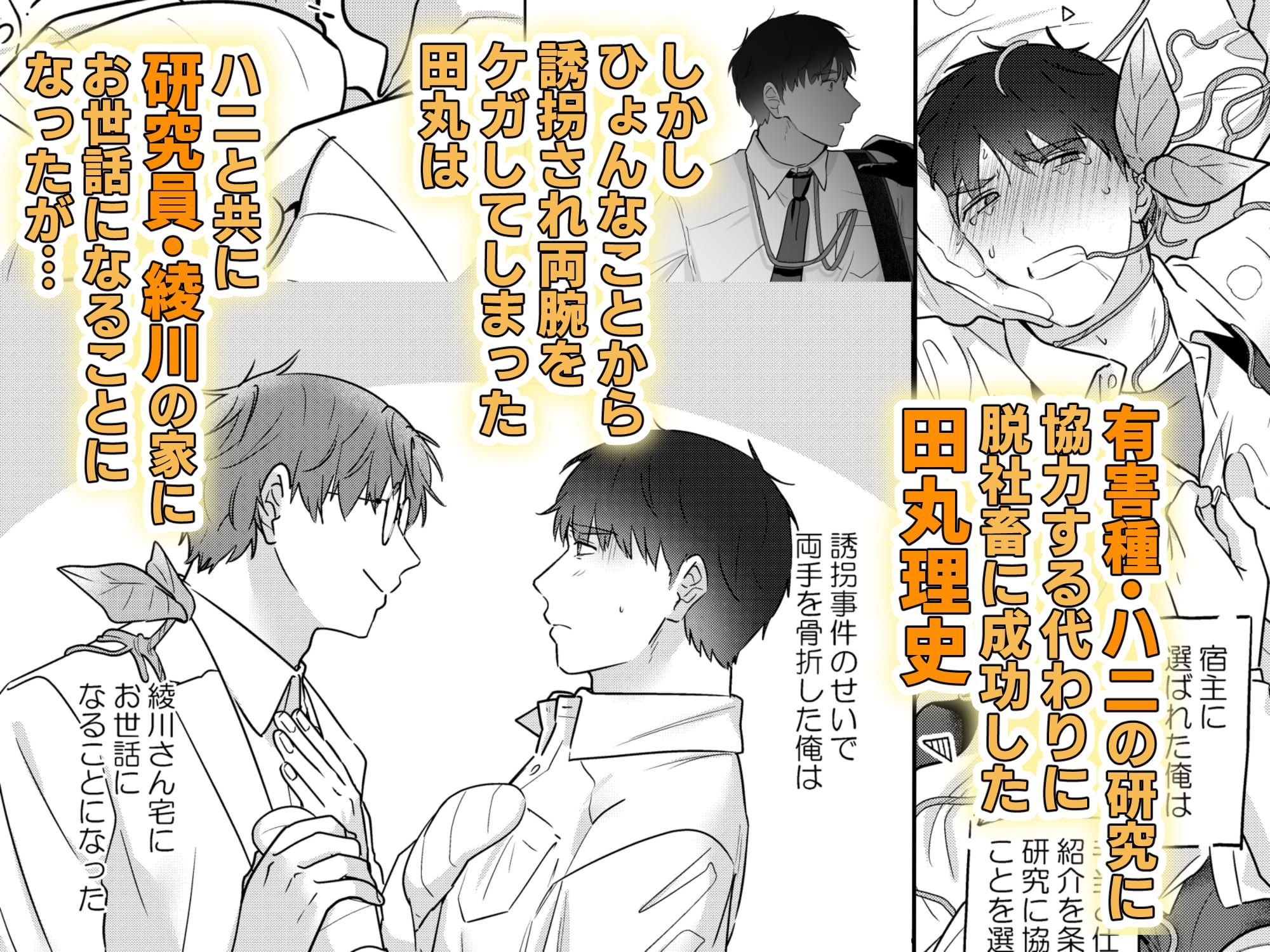
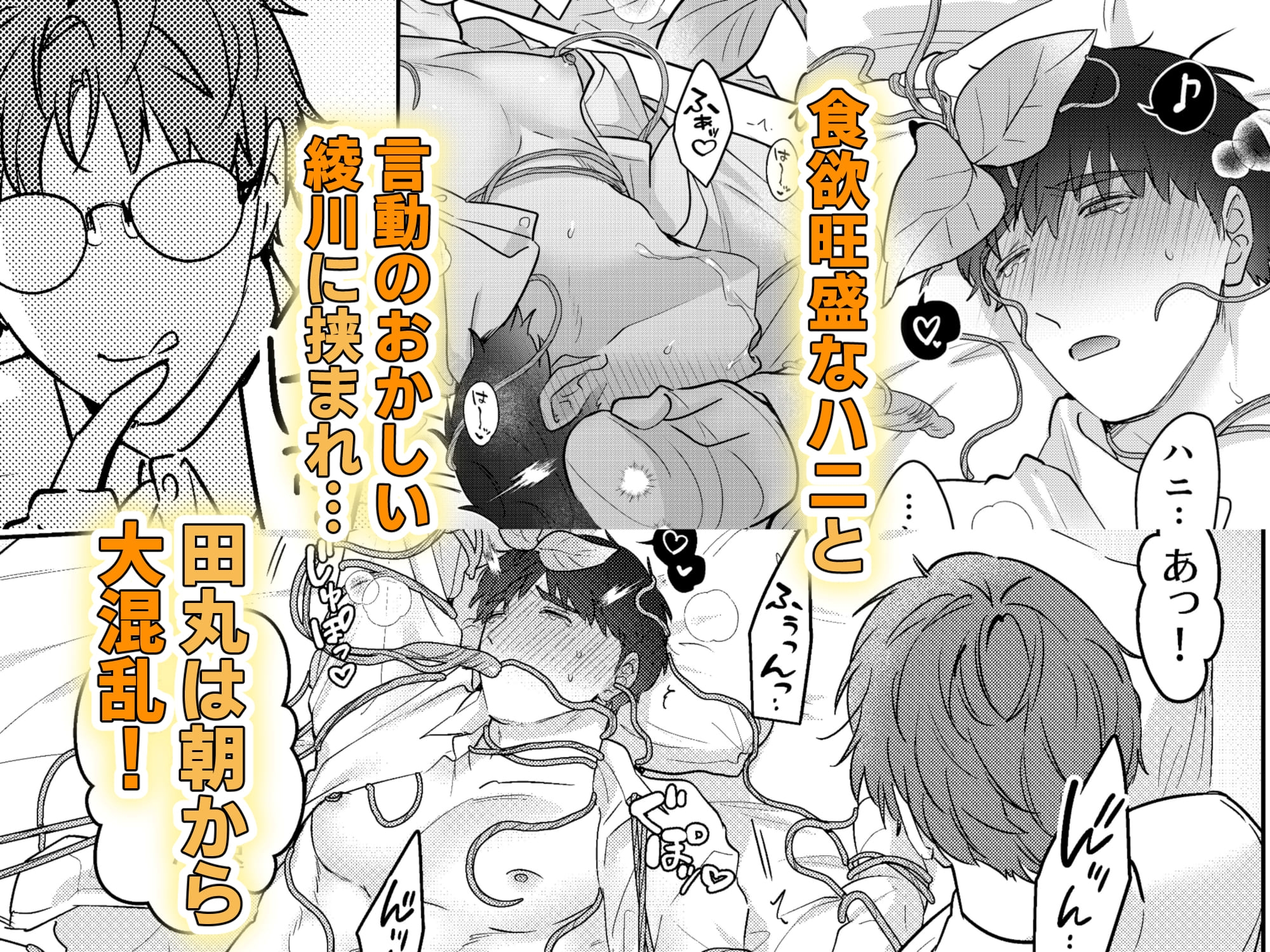
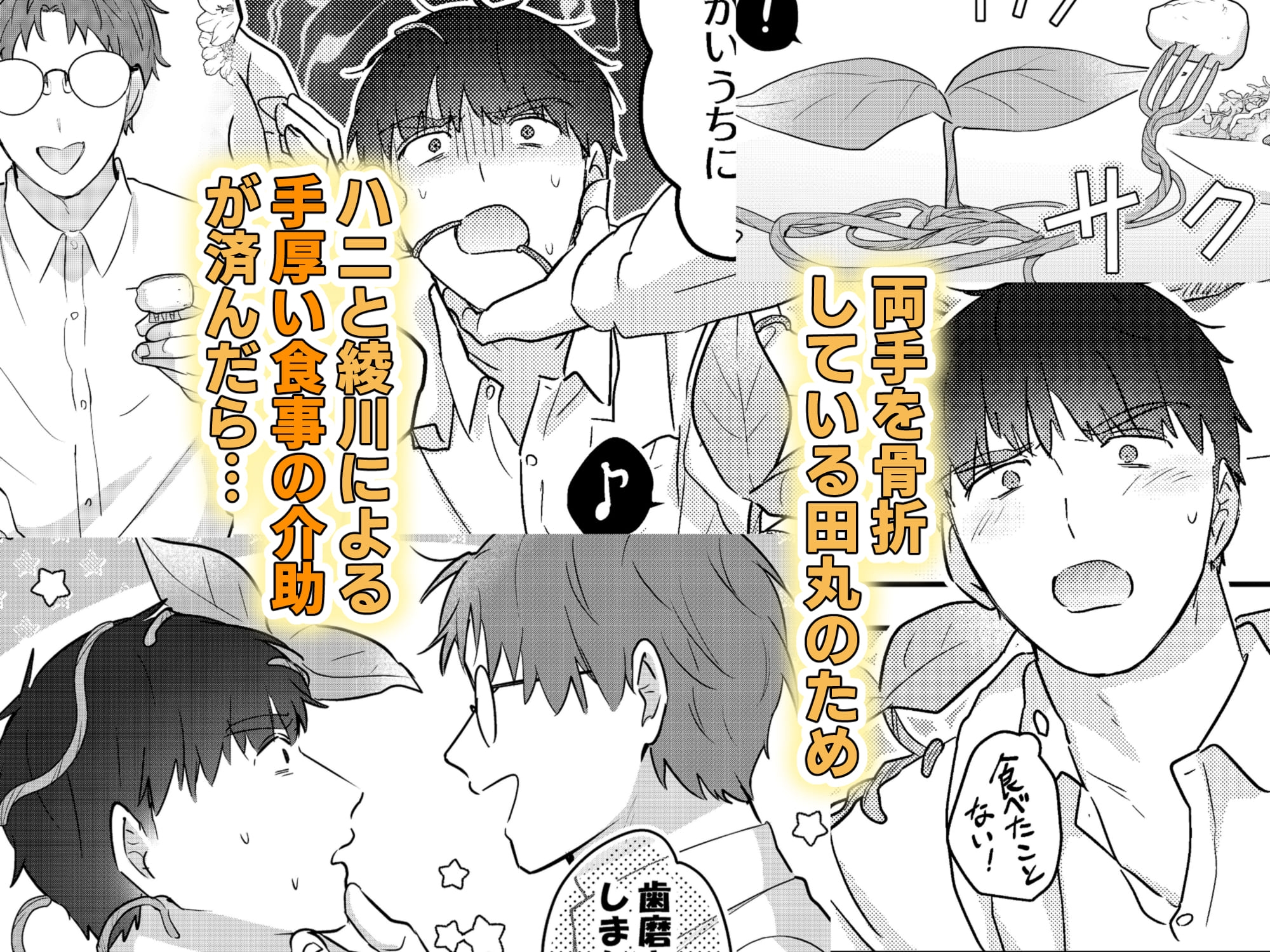
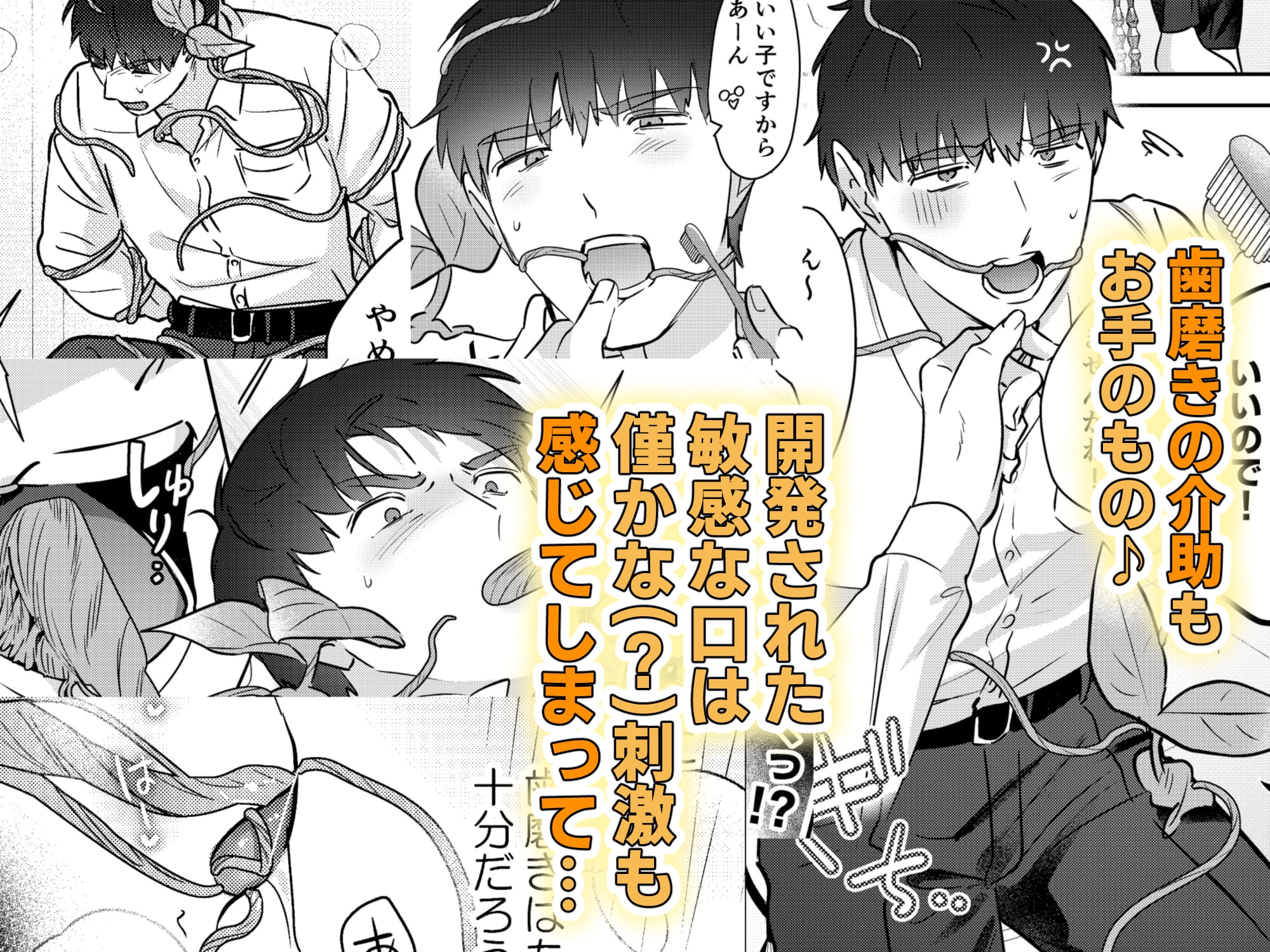
Get “Former Salaryman & Tentacles 2” on DLsite
This Week’s Top Rankings:
Editorial Review
This sequel plants itself firmly in the body horror-meets-domestic comedy niche that’s gained traction among seasoned doujin consumers seeking something beyond conventional relationship dynamics. The premise—a parasitic organism that manifests as both creature and human form cohabiting with an incapacitated salaryman—sits at the intersection of transformation fetishism and cohabitation tropes, a combination that remains relatively underexplored in mainstream BL manga spaces.
What distinguishes this work is its deliberate narrative architecture around symbiosis and embodied consent. Rather than treating the parasitic element as incidental window dressing, the synopsis positions Hani’s dual nature as the emotional and physical core of the story. The detail that researcher Ayakawa and Hani are the same entity reframes what could be straightforward body horror into a exploration of multiplicitous desire and care—Tamaru must navigate attraction and vulnerability simultaneously with two expressions of the same being. The broken hands subplot adds practical dimension to the power dynamic; rather than abstract domination, his physical limitation creates genuine dependency that shapes interaction.
The tag combination of hypnosis, pleasure corruption, and non-human elements signals content designed for readers specifically attuned to transformation and psychological play rather than those seeking traditional romance arcs. This isn’t identity affirmation fiction; it’s designed for audiences who find eroticism in boundary dissolution and the uncanny domesticity of human-nonhuman entanglement.
The chaos-driven cohabitation framework suggests the work leans toward absurdist comedy puncturing its own fetish material—a tonal strategy that requires confident execution to avoid tonal whiplash.
Readers who’ve exhausted conventional monster romance and actively seek parasitism narratives paired with comedic deterioration of normalcy will find specific appeal here. Those new to body transformation content should approach cautiously.
A sequel that trusts its premise’s strangeness enough to build comedy from it rather than apologize for it.
Related Tags:
tentacles | Fetish | Hypnosis | pleasure corruption | Cohabitation
📖 How to buy on DLsite — step-by-step guide
💳 Payment methods for overseas buyers (Visa/MC declined?)
Interested? Get the free trial here ↓