
“`html
Synopsis
We Can’t Continue To Play Best Friends
Click here for a longer sample:
https://www.pixiv.net/artworks/107776627
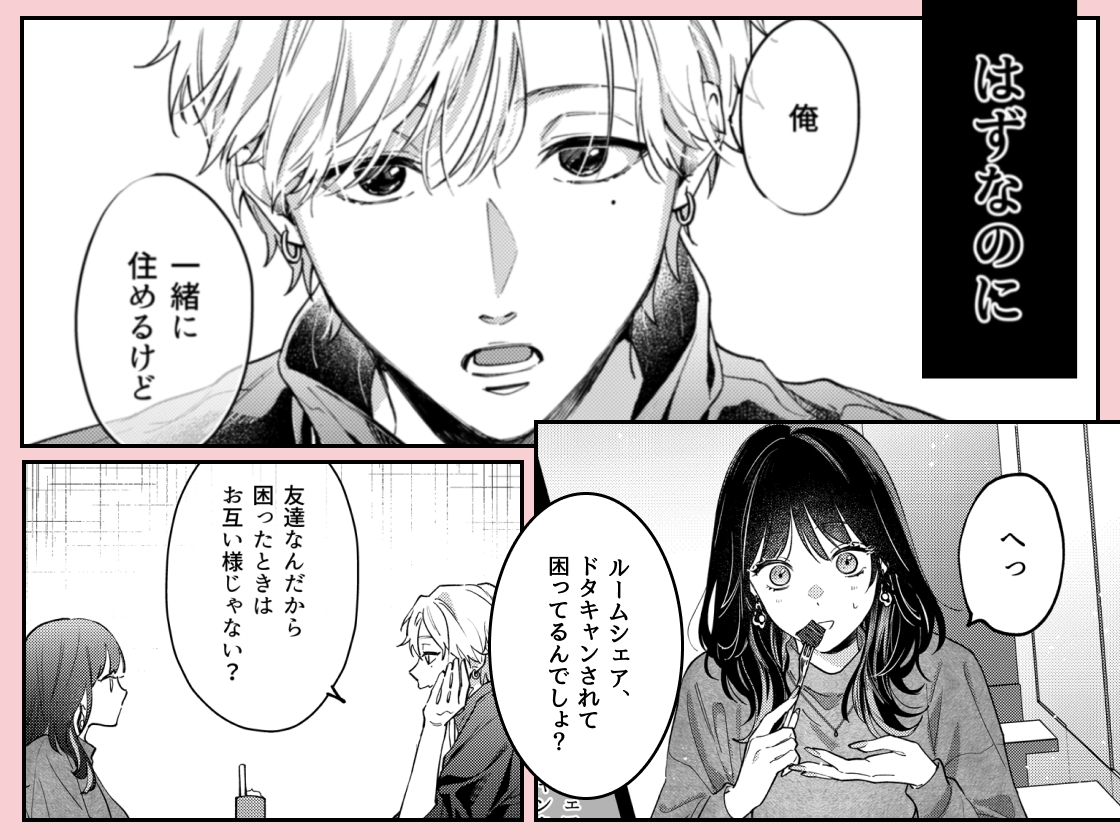
“You know, I wouldn’t mind moving in with you.”
I was supposed to share an apartment with a female friend of mine, but she told me that she couldn’t make it all of a sudden.
“We’re friends, so it’s only natural to help each other when we’re in trouble, right?”
“It’ll just be temporary, until things settle down, anyway.”
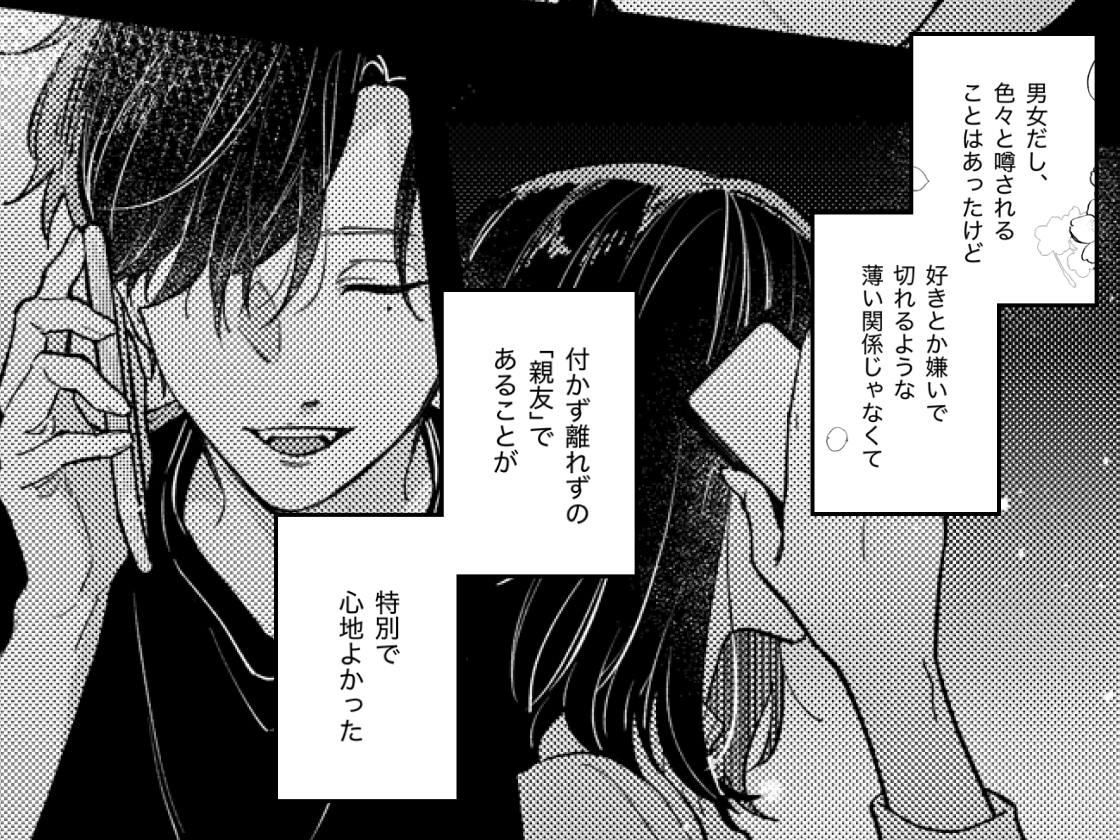
Kitazawa is a guy with good looks who’s laid-back about everything. We hit it off instantly the moment we first met, and staying “best friends” after graduation without getting too close or drifting apart felt special and comfortable to me.
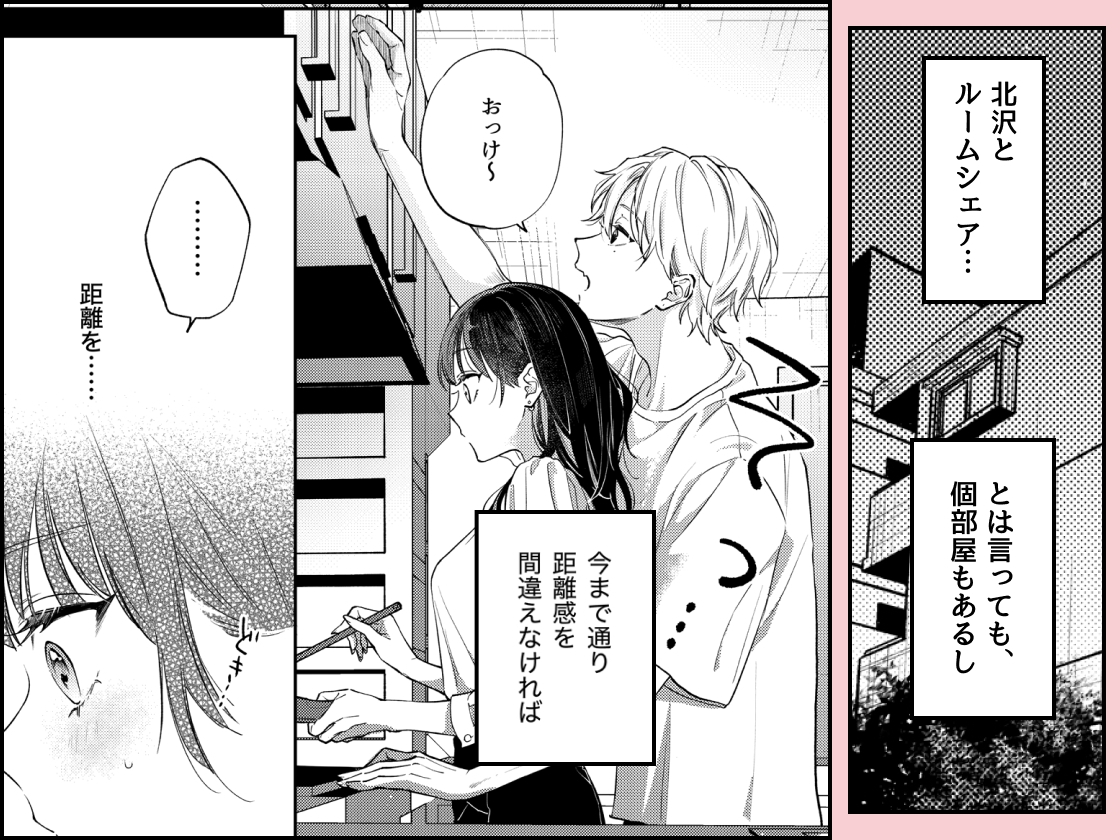
I started living together with Kitazawa—not as his partner, but as his roommate. That said, we each have our own separate room. Just like before, as long as we maintain a comfortable distance between us and stay friends, everything will be fine…
…It’s not fine, though.
I’ve always liked Kitazawa. To be fair, I think I’ve been doing a good job concealing these feelings till now.
But at this rate, I won’t be able to keep living together with him.
“…Am I not good enough?”
The moment I tried to bring up the end of our relationship status as “roommates”, Kitazawa suddenly kissed me…
——————-
70 main pages + afterword
——————-
Manga: Nekopi the Cat
(English product description provided by “星ニール”.)


| Circle | THE WAIDAN |
| Tags | R18, Manga, JPEG, PDF file, Otome, Japanese |
| Price | 440JPY |
Editorial Review
This is a domesticated slow-burn romance anchored in the classic “best friends forced into proximity” premise, a subgenre that’s dominated otome manga for years but rarely executes with genuine tension. What distinguishes this entry is its structural honesty: the synopsis doesn’t hide the narrator’s long-standing feelings, immediately establishing emotional stakes rather than manufacturing surprise revelation later. The setup—temporary cohabitation framed as platonic necessity—creates natural friction between what’s openly acknowledged (desire) and what’s being performatively suppressed (the boundary-keeping of friendship), which is thematically sharper than works that rely on obliviousness.
The R18 tag signals explicit sexual content will complement rather than substitute for character development, a calculation that works well in this context where the emotional groundwork is already laid. The protagonist’s internal monologue—the truncated “I think I’v[e]” at the end—performs narrative self-awareness; she’s aware of her own denial, which positions the reader as complicit observer rather than spectator. That’s a minor but notable distinction in how the work manages perspective.
Production values appear solid based on the JPEG/PDF format details, suggesting clean linework and readable layouts across both digital distribution methods. The tag absence of humor or fluff elements implies this leans toward earnest melodrama rather than rom-com deflection, which will either satisfy readers hungry for genuine emotional stakes or frustrate those seeking levity to balance domestic claustrophobia.
Readers gravitating toward understated romantic tension, cohabitation scenarios, and explicit content that earns its place through character investment rather than novelty will find this satisfying. Those fatigued by the “best friends to lovers” framework or seeking novelty in setup should look elsewhere. A competent execution of a familiar structure that doesn’t reinvent the wheel but respects its own emotional premise.
Get “We Can’t Continue To Play Best” on DLsite
This Week’s Top Rankings:
“`
📖 How to buy on DLsite — step-by-step guide
💳 Payment methods for overseas buyers (Visa/MC declined?)
Interested? Get the free trial here ↓


![[Sampler] How a Lonely Vampire Reclaims His Reincarnated Fiancée ~An Obsessive Love Spanning 300 Years~](https://henhenta.com/wp-content/uploads/2026/09/RJ01114970-300x225.jpg)