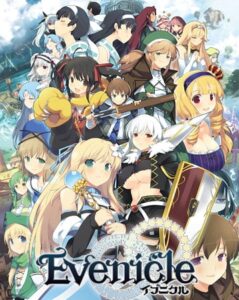
Synopsis
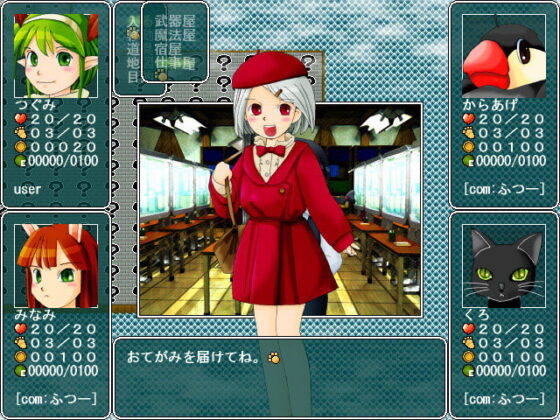
A competitive RPG game where players battle each other or against the computer, trying to sabotage and hinder one another.
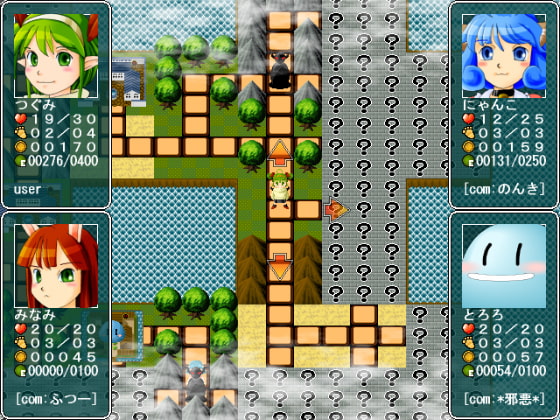
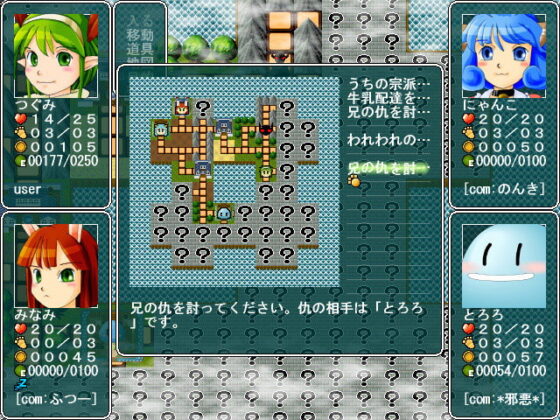
Highly flexible gameplay allows you to attack and interfere with other player characters. Supports network battles over LAN.
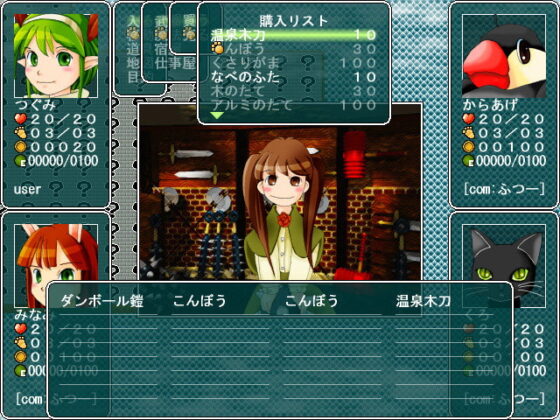
Each playthrough takes about 1-2 hours, so jump in casually. However, with 4 scenarios included, randomly generated maps, and branching paths unique to each scenario, you can also enjoy deeper, longer playthroughs.

Editorial Review
Competitive fantasy RPGs remain a niche category in the adult doujin space, and this sequel distinguishes itself through mechanical flexibility rather than narrative ambition. The core draw here is sabotage-first gameplay—rather than treating player-versus-player conflict as an afterthought, the design actively encourages interference, making direct combat less about optimal builds and more about creative obstruction. That’s a deliberate design philosophy that sets it apart from the typical progression-focused fantasy RPG.
The structure reveals smart design thinking: the 1-2 hour session length positions this as genuinely casual-friendly, yet the inclusion of four distinct scenarios, procedural maps, and branching paths across each one suggests substantial replayability for players willing to dig deeper. The lighthearted tone appears intentional here—competitive games that take themselves too seriously often alienate casual players, and the synergy between casual accessibility and competitive depth is genuinely difficult to execute. LAN network support adds practical multiplayer functionality that many modern indie games skip.
Where this becomes interesting is the gap between accessible entry and mechanical ceiling. The “highly flexible gameplay” tag suggests meaningful decision-making in how you approach both your own strategy and opponent disruption, which matters far more in competitive titles than scripted narrative beats. That flexibility also implies replayability beyond cosmetic variation.
However, the minimal synopsis means we’re working from mechanical promises rather than demonstrated systems. For players coming from single-player fantasy RPGs expecting traditional story-driven progression, the competitive-first design might feel alienating rather than refreshing.
This is strongest for tabletop RPG veterans and competitive game enthusiasts who understand the appeal of emergent gameplay over authored narrative. If you’ve worn out traditional fantasy RPGs and want something that treats player interaction as the primary mechanic rather than ancillary content, this warrants attention. It’s a design-focused experience masquerading as casual fare.
Get “Adventure Island Wandering Rec” on DLsite
This Week’s Top Rankings:
Related Tags:
Interested? Get the free trial here ↓