
Synopsis
Story
Months have passed since the incident involving the holy sword.
Rizette is summoned by her master Chloe to investigate ruins in a certain town.
Unaware that it’s a trap set by someone…
System
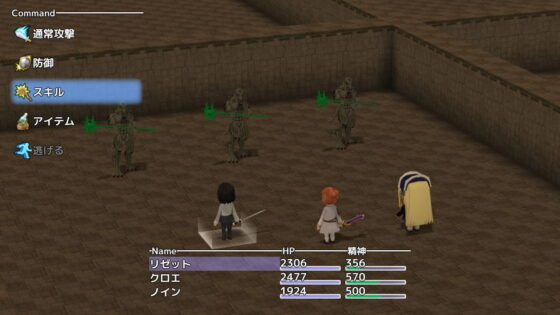
・An RPG where you control the protagonist Rizette and progress through ruin exploration.
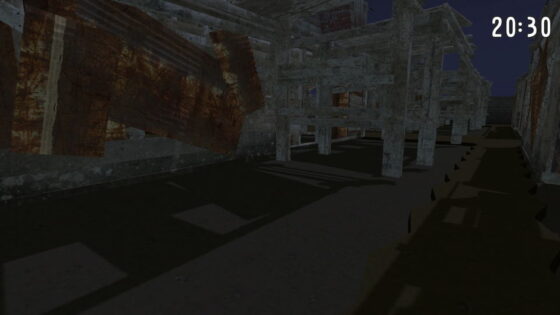
・Time passes in real-time in towns and dungeons.
・No need to intentionally lose battles. Events occur based on how you approach combat.
・Key parameters are: Willpower, Elation, and Corruption.
Willpower: Consumed by skill usage, etc. Overuse leads to consequences…
Elation: Resets daily. Provides attack bonuses, but rising too high results in…
Corruption: Reason being eroded without notice.
・Multiple endings and replay support that change based on parameters and event conditions.
Event Scenes: ~35
CGs: 135+
Bonus CGs: 4
Endings: 8
Playtime: 3-7 hours per playthrough


Editorial Review
The Fun of Asmodius positions itself as a psychological corruption RPG with genuine mechanical depth, a rarer approach in the adult game space where stat-manipulation typically exists as window dressing. Rather than corruption being a visual novelty unlocked through choices, the game weaves it directly into combat systems—Willpower depletion, Elation thresholds, and Corruption creep all function as active gameplay pressures that organically drive the protagonist toward compromise. This systems-first design mirrors the mechanical storytelling of titles like Trials in Tainted Space, though grounded in traditional fantasy dungeon exploration rather than sci-fi freeroam.
What distinguishes this work is its rejection of binary win-states in combat. The game explicitly notes that losing isn’t required to trigger corruption events; instead, how you engage tactically shapes outcomes. This creates genuine strategic tension—do you burn Willpower to secure victory, or conserve it and risk cascading consequences? Combined with real-time passage in both towns and dungeons, the work structures itself around resource management as narrative apparatus. The eight distinct endings and four-hour minimum playtime suggest meaningful branching rather than cosmetic variations, particularly when tied to parameter thresholds across multiple playthroughs.
The CG count (35 base plus 135 bonus) and monster-girl tag indicate the corruption arc carries substantial visual payoff, though the disparity between base and bonus images suggests replay value may depend on finding all parameter combinations. The inclusion of Willpower, Elation, and Corruption as distinct systems hints at nuanced failure states—some routes may genuinely reward restraint while others demand surrender.
This appeals directly to players who want adult content that emerges from mechanical consequence rather than narrative checkpoint, and who value understanding system interactions across multiple runs. A strong recommendation for anyone fatigued by choice-based corruption mechanics.
This Week’s Top Rankings:
Related Tags:
Fantasy | adult | RPG | Male Audience | Corruption
Interested? Get the free trial here ↓